Roof Solutions Through the Ages – From Tradition to Modern Design

Roof Solutions Through the Ages – From Tradition to Modern Design
The roof has always been one of the most defining parts of a home – both as protection from the elements and as a key feature of architectural style. Over time, roofing solutions have evolved from simple, locally sourced materials to advanced systems that balance design, energy efficiency, and sustainability. This article explores how roofing in the United States has developed through the centuries – from early handcrafted structures to today’s innovative, eco-friendly designs.
From Natural Materials to Early Craftsmanship
In America’s early days, roofing materials were chosen based on what was readily available. In the Northeast, settlers used wood shingles made from cedar or pine, while in the South, clay tiles were common due to Spanish and French influences. On the Great Plains, where timber was scarce, sod roofs provided insulation and practicality.
These early roofs reflected both necessity and craftsmanship. Wooden shingles, for example, were split by hand and carefully layered to shed rain and snow. Though they required regular maintenance, they offered natural insulation and a rustic charm that still appeals to homeowners today.
Læs også:

Slate, Metal, and the Rise of Industrial Roofing
By the mid-19th century, industrialization transformed roofing in America. Slate roofing, imported from quarries in Pennsylvania and Vermont, became a symbol of durability and elegance, often seen on Victorian homes and public buildings. At the same time, metal roofing—especially tin, copper, and later galvanized steel—gained popularity for its longevity and fire resistance.
Urbanization also brought new architectural styles that demanded more complex roof shapes. Mansard roofs, cupolas, and decorative dormers became fashionable, and metal’s flexibility made these designs possible. Roofing was no longer just functional—it became an expression of style and progress.
The 20th Century: Functionality and Mass Production
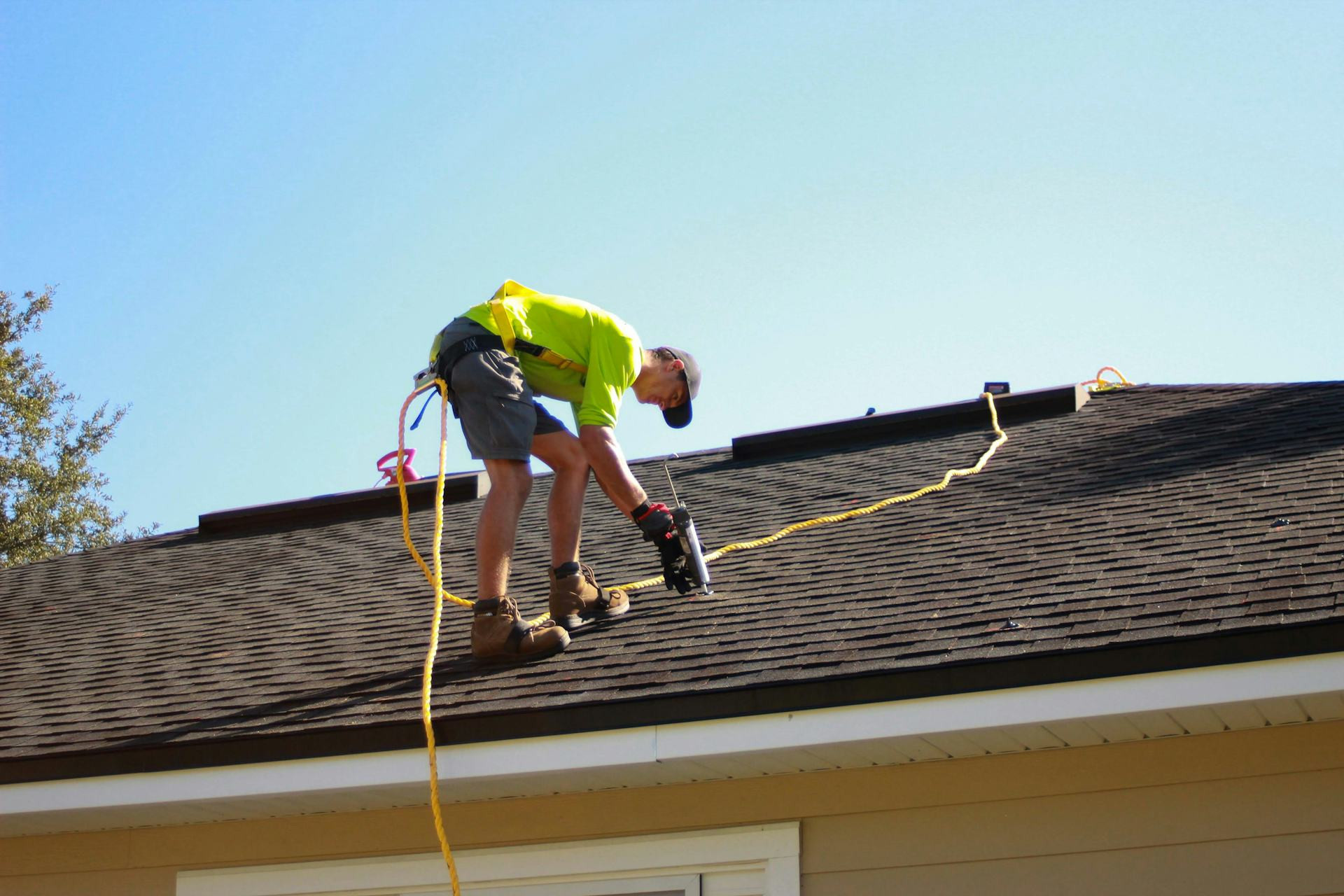
After World War II, America’s housing boom called for affordable, efficient building materials. Asphalt shingles, first introduced in the early 1900s, became the dominant roofing material thanks to their low cost, ease of installation, and wide range of colors. By the 1950s, they covered the majority of suburban homes across the country.
Modernist architecture in the mid-20th century also introduced low-slope and flat roofs, especially in commercial and mid-century residential design. These roofs reflected a new aesthetic—clean lines, open spaces, and a focus on simplicity. Materials like built-up roofing (BUR) and modified bitumen made flat roofs more practical and durable.
The Modern Roof: Design, Energy, and Sustainability
Today’s roofing solutions combine aesthetics with advanced technology and environmental awareness. Homeowners and architects alike are rethinking the roof as an active part of a building’s performance:
- Solar roofs integrate photovoltaic panels directly into the roofing surface, allowing homes to generate their own electricity.
- Cool roofs use reflective materials to reduce heat absorption, lowering energy costs and mitigating urban heat islands.
- Green roofs, covered with vegetation, improve insulation, manage stormwater, and support urban biodiversity.
- Recycled and sustainable materials, such as reclaimed wood, metal, or composite shingles, reduce waste and carbon footprint.
These innovations show how roofing has become a key player in sustainable design, blending traditional craftsmanship with cutting-edge technology.
Architecture’s Signature and the Future of Roofing
A roof today is more than a protective shell—it’s an architectural statement that reflects personal values, regional identity, and environmental responsibility. Whether it’s a sleek metal roof on a modern farmhouse or a solar-integrated shingle system on a suburban home, the roof defines the character of the building.
Looking ahead, roofing will likely become even more intelligent and interconnected. Future systems may automatically adjust ventilation, collect rainwater, or optimize solar energy production. As smart home technology advances, the roof will play a central role in managing comfort, efficiency, and sustainability.
From Tradition to Innovation – A Living Evolution
The story of roofing in America mirrors the nation’s broader journey—from resourcefulness and craftsmanship to innovation and environmental consciousness. From hand-split shingles to solar-integrated systems, the roof has always reflected the spirit of its time.
Whether restoring a historic home or designing a new one, choosing the right roof remains one of the most important decisions a homeowner can make. It protects, defines, and inspires—and it will continue to do so as we build the homes of the future.
Læs også: