Insulation Materials Explained: Which Type Is Best for Your Home?

Insulation Materials Explained: Which Type Is Best for Your Home?
A well-insulated home is key to lower energy bills, year-round comfort, and a smaller carbon footprint. But with so many insulation materials available—from fiberglass to spray foam and cellulose—it can be hard to know which one is right for your home. Here’s a breakdown of the most common insulation types used in the U.S., their pros and cons, and how to choose the best option for your needs.
Why Insulation Matters
Insulation does more than keep your home warm in winter. It also helps maintain a cool interior in summer, reduces energy consumption, and improves indoor comfort. Good insulation can even dampen outside noise and prevent moisture issues that could damage your home over time.
When choosing insulation, consider factors like R-value (thermal resistance), moisture control, environmental impact, and cost. There’s no one-size-fits-all solution—the best material depends on your home’s age, structure, and your priorities.
Fiberglass – The Classic Choice
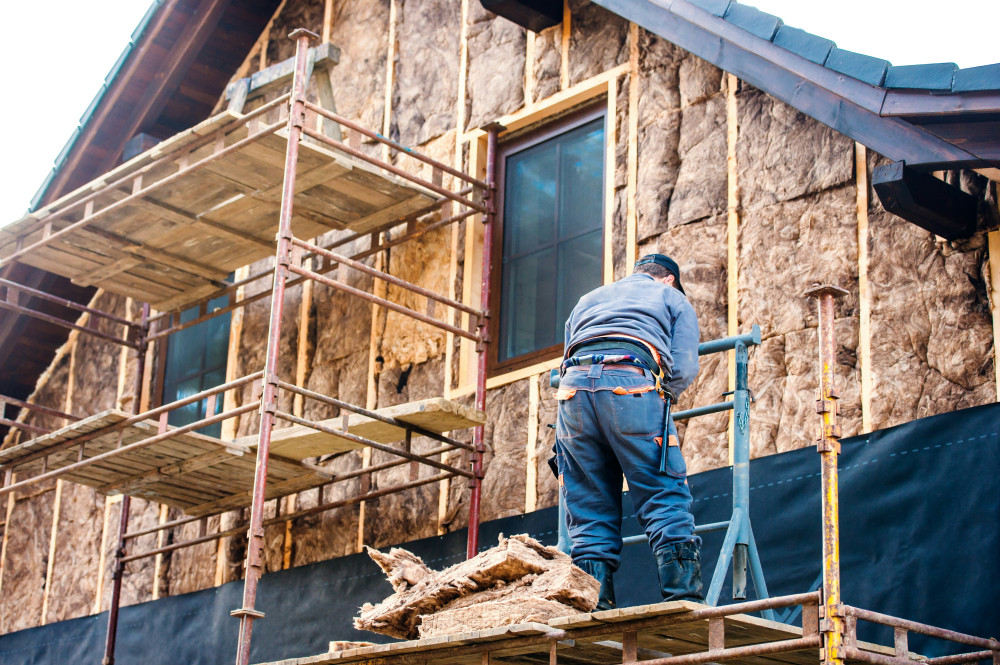
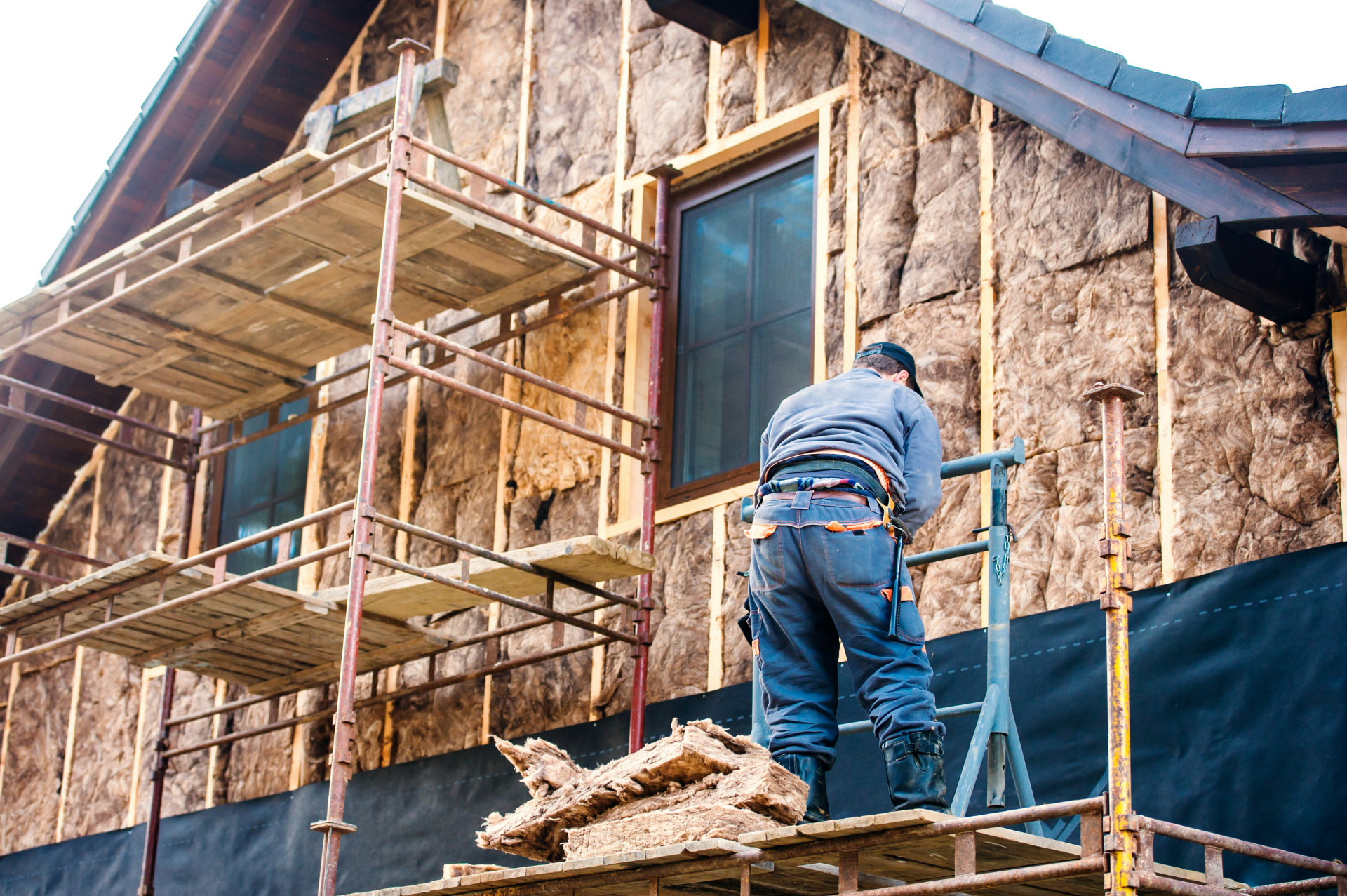
Fiberglass insulation is one of the most widely used materials in American homes. It’s made from fine glass fibers and comes in batts, rolls, or loose-fill form.
Pros:
- Affordable and widely available
- Good thermal and sound insulation
- Fire-resistant and resistant to pests
Cons:
- Can irritate skin and lungs during installation
- Loses effectiveness if compressed or wet
Fiberglass is a reliable, cost-effective choice for attics, walls, and crawl spaces in most climates.
Cellulose – Eco-Friendly and Efficient
Cellulose insulation is made from recycled paper treated with fire retardants and mold inhibitors. It’s typically blown into wall cavities or attics, filling gaps and irregular spaces.
Pros:
- Made from recycled materials
- Excellent soundproofing and air-sealing properties
- Great for retrofitting older homes
Cons:
- Must be professionally installed
- Can settle over time, reducing effectiveness
If sustainability is a priority, cellulose offers a green, high-performance option that works well in both new and existing homes.
Spray Foam – High Performance, High Cost
Spray foam insulation, including open-cell and closed-cell types, expands on application to fill cracks and gaps. It provides both insulation and an air barrier in one step.
Pros:
- Very high R-value per inch
- Excellent air sealing and moisture resistance
- Ideal for hard-to-reach areas
Cons:
- Expensive compared to other materials
- Requires professional installation
- Made from petroleum-based chemicals
Spray foam is a top performer for energy efficiency but may not be the best fit if you’re aiming for a low-impact or budget-friendly renovation.
Mineral Wool – Durable and Fire-Resistant
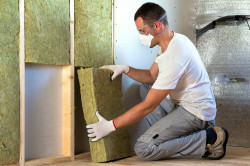
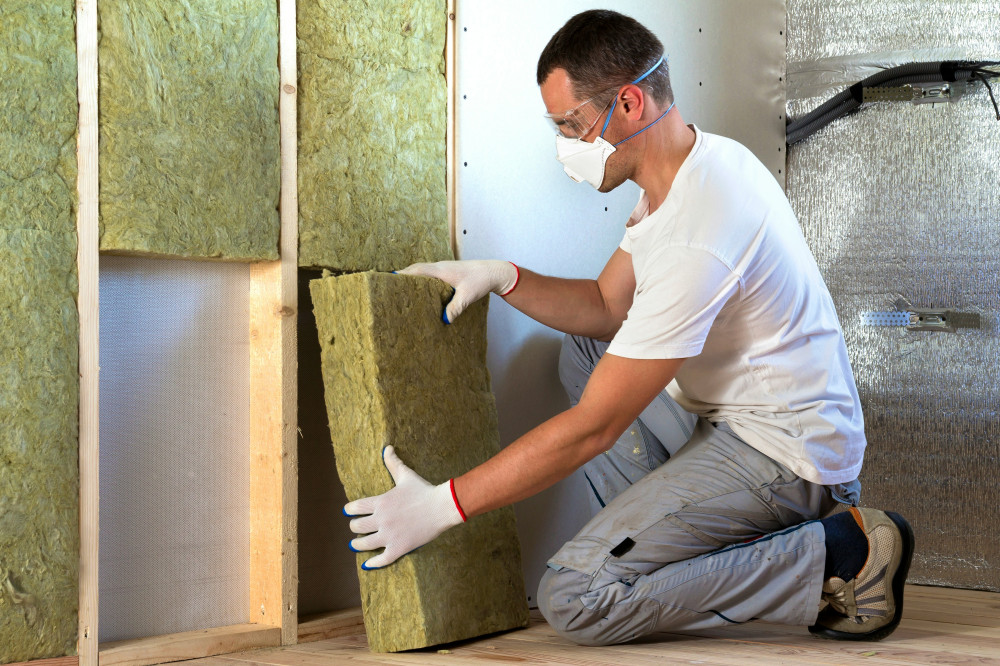
Mineral wool, also known as rock wool or slag wool, is made from natural rock or industrial byproducts spun into fibers. It’s gaining popularity in U.S. construction for its durability and fire resistance.
Pros:
- Excellent fire and sound insulation
- Water-resistant and dimensionally stable
- Easy to cut and fit
Cons:
- More expensive than fiberglass
- Slightly heavier and denser to handle
Mineral wool is a great choice for exterior walls, basements, and areas where fire safety and sound control are priorities.
Foam Board – Rigid and Moisture-Resistant
Foam board insulation (such as EPS, XPS, or polyisocyanurate) comes in rigid panels used in foundations, walls, and roofs. It’s often combined with other materials for maximum efficiency.
Pros:
- High R-value per inch
- Moisture- and mold-resistant
- Ideal for below-grade or exterior applications
Cons:
- Can be tricky to install around irregular shapes
- Not environmentally friendly
- Must be properly sealed to prevent air leaks
Foam board is especially useful in basements, under slabs, and exterior sheathing where moisture control is critical.
Læs også:

Which Type Is Best for Your Home?
The right insulation depends on your home’s design, location, and goals:
- Older homes often benefit from blown-in cellulose or mineral wool, which can adapt to existing cavities.
- New construction can take advantage of spray foam or foam board for maximum energy efficiency.
- Budget-conscious projects may favor fiberglass batts for their affordability and ease of installation.
Before making a decision, consider having an energy audit or consulting a professional insulation contractor. They can identify where your home is losing energy and recommend the most effective materials for your climate zone.
Think Holistically
Insulation is just one part of an energy-efficient home. Proper air sealing, high-performance windows, and good ventilation are equally important to prevent moisture buildup and heat loss. When planning a renovation or upgrade, think of your home as a system—each improvement supports the others.
A well-insulated home isn’t just more comfortable—it’s healthier, more sustainable, and more cost-effective in the long run.
Læs også: