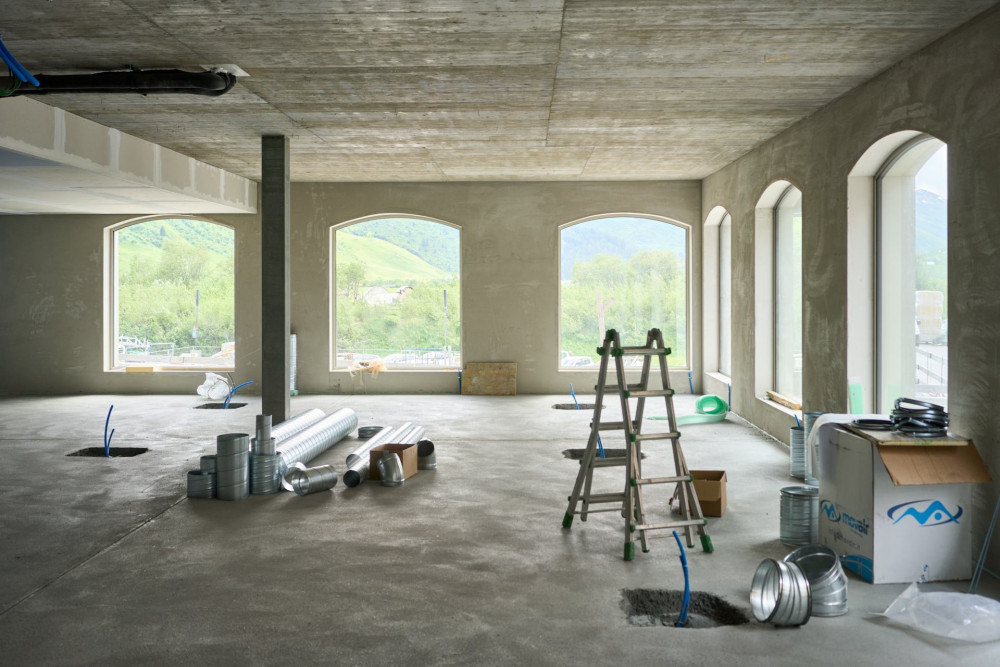
Light and Color in the Home: How Surfaces Influence the Perception of Indoor Climate

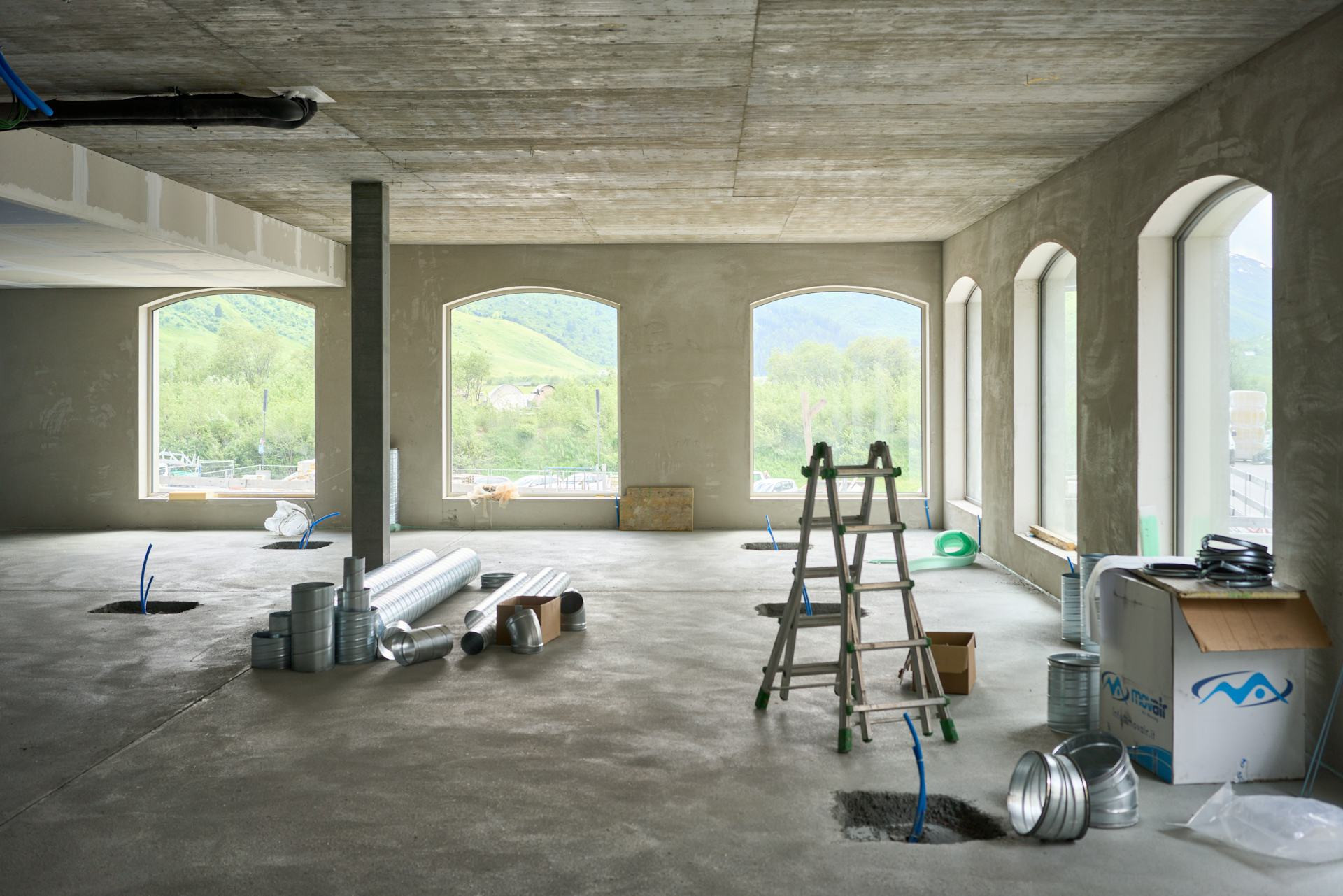
Light and Color in the Home: How Surfaces Influence the Perception of Indoor Climate
When we think about indoor comfort, we often focus on temperature, humidity, and air quality. But light and color also play a crucial role in how we experience our living spaces. The materials, finishes, and tones of surfaces affect how light moves through a room—and how we feel in it. A space can seem warmer or cooler, larger or more intimate, depending on how light interacts with its surfaces and colors.
Light as a Mood Setter
Light is more than a practical necessity—it shapes atmosphere and emotion. Natural light changes throughout the day, altering how colors appear. A north-facing room may feel cooler and more subdued, while a south-facing one glows with warm sunlight. The same paint color can look entirely different depending on where it’s used.
When planning lighting, think in layers: ambient lighting for general illumination, task lighting for specific activities, and accent lighting for mood. This layered approach allows flexibility and helps you adapt the space for both work and relaxation. Choose bulbs with a high color rendering index (CRI) so that colors appear true and natural.
The Psychology of Color and Temperature
Colors influence us both physically and emotionally. Warm hues like red, orange, and yellow can energize a space and make it feel cozier, while cool tones like blue and green promote calm and can make a room feel cooler. This means that color choices can affect how we perceive temperature—even if the thermostat stays the same.
In rooms meant for rest or focus, such as bedrooms or home offices, soft, cool shades can create a soothing environment. In social areas like living rooms or kitchens, warmer tones can make the space feel more inviting. The key is to balance color and function in a way that supports your lifestyle and personal taste.
The Role of Surfaces in Light Reflection
The finish and texture of surfaces have a major impact on how light behaves. Matte walls absorb light, creating a soft, tranquil feel, while glossy finishes reflect light and can make a room appear larger—but also busier if reflections are excessive.
Materials like wood, limewash, and textiles provide a warm, natural reflection, while metal, glass, and high-gloss paint lend a sleek, modern look. Mixing different textures and finishes adds depth and visual interest to a room.
A practical tip: always test paint colors and materials in the actual lighting conditions of your home. A color that looks perfect in daylight may appear completely different under evening lighting.
Balancing Natural and Artificial Light
A comfortable indoor environment also depends on how well you use natural light. Large windows, light curtains, and reflective surfaces can help daylight reach deeper into a room. At the same time, artificial lighting should complement the natural rhythm of the day—warmer light in the evening and cooler, whiter light in the morning.
LED bulbs with adjustable color temperature make it easy to fine-tune lighting for different times and activities. This not only enhances comfort but can also support better sleep and concentration by aligning with your body’s natural circadian rhythm.
Læs også:




A Holistic View of Indoor Comfort
When thinking about indoor climate, take a holistic approach. Light, color, and materials are not just aesthetic choices—they shape how comfortable and balanced your home feels. A well-designed interplay of light and color can make a space feel fresher, calmer, and more harmonious.
By choosing colors that suit a room’s orientation and materials that reflect the mood you want to create, you can design a home that doesn’t just look beautiful but also feels healthy, welcoming, and truly your own.
Læs også: