Build Sustainably: Choose Materials with Low Environmental Impact and Long Lifespan

Build Sustainably: Choose Materials with Low Environmental Impact and Long Lifespan
When you build or renovate, the materials you choose are among the most important decisions you’ll make—both for the quality of your home and for the planet. Sustainable construction isn’t just about energy efficiency or insulation; it’s also about selecting materials that last, can be reused, and have the smallest possible environmental footprint. Here’s how you can make thoughtful material choices that balance durability, aesthetics, and sustainability.
Think in Life Cycles—Not Just Upfront Costs
It’s tempting to focus on the lowest price tag, but sustainable building means looking at a material’s life cycle. How much energy does it take to produce? How long will it last? Can it be reused or recycled when the building eventually needs renovation or replacement?
A low-impact material typically:
- requires little energy to manufacture,
- lasts for decades without frequent replacement,
- and can be reused, recycled, or safely returned to nature.
By considering the full life cycle instead of just the purchase price, you can save both resources and money over time.
Natural and Renewable Materials
Many traditional materials are surprisingly sustainable when used wisely.
- Wood is renewable and stores carbon as it grows. Choose lumber certified by the Forest Stewardship Council (FSC) or Sustainable Forestry Initiative (SFI) to ensure it comes from responsibly managed forests.
- Clay brick and terracotta require energy to fire but have extremely long lifespans and can be reused or crushed for fill.
- Lime and natural stone are durable, low-maintenance, and often reusable in new construction.
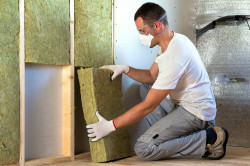
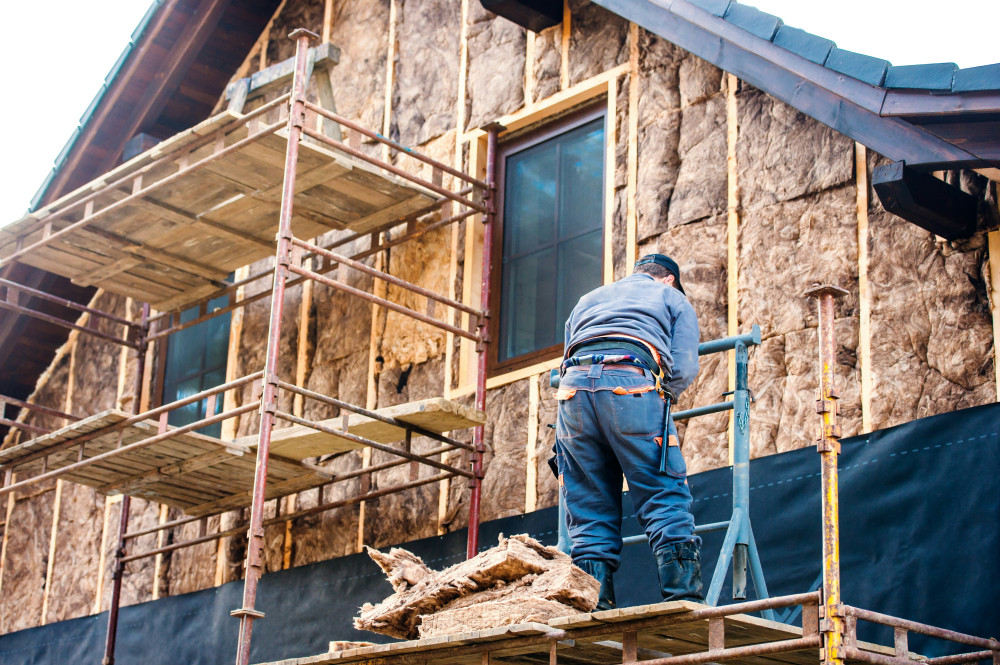
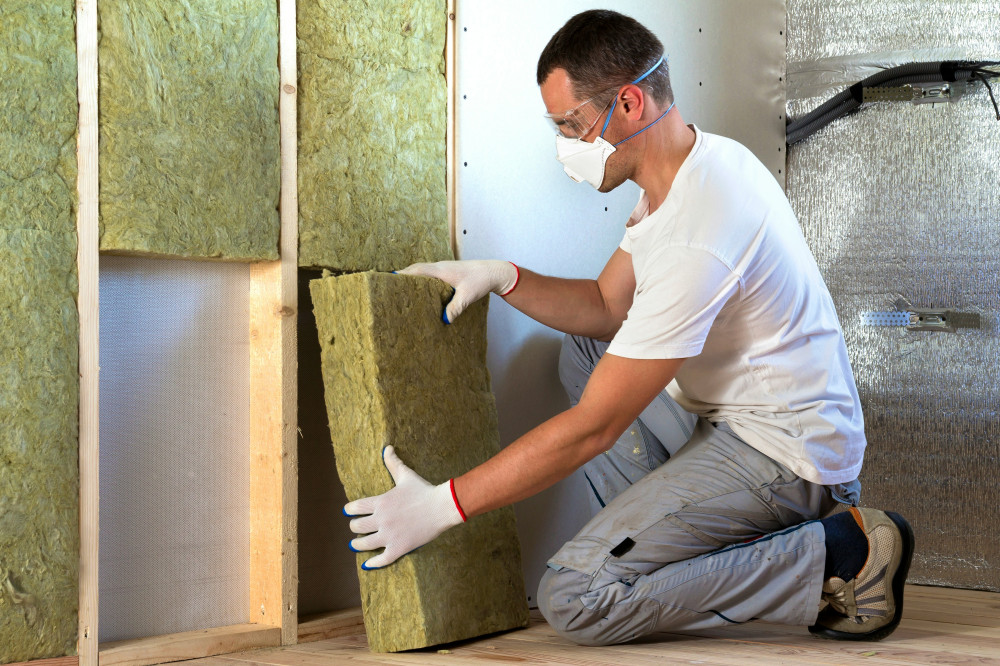
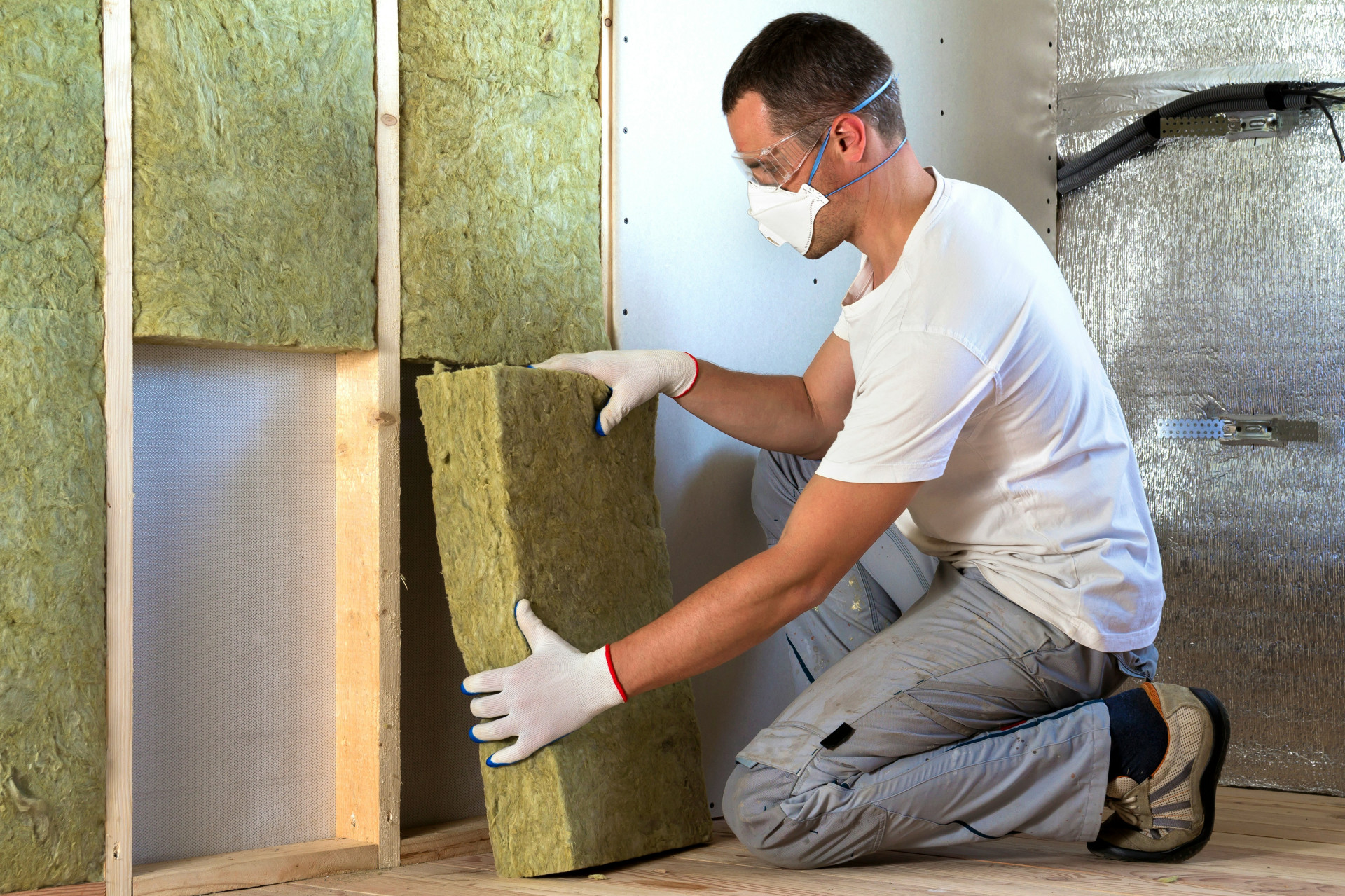
- Hemp, flax, and cellulose insulation are excellent alternatives to conventional insulation, offering strong thermal performance with a lower carbon footprint.
Combining natural materials with modern building techniques can create homes that are healthy to live in and gentle on the environment.
Durability and Maintenance
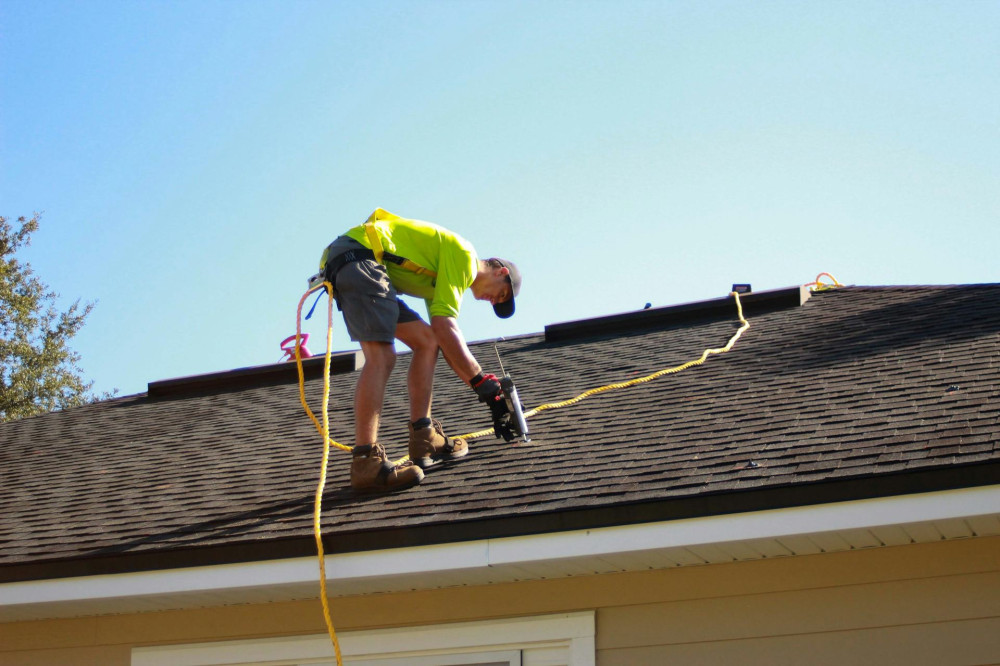
A sustainable material isn’t always the one with the lowest carbon footprint at production—it’s the one that lasts the longest. A roof that needs replacement every 15 years is rarely sustainable, no matter how “green” the material claims to be.
Choose materials that:
- withstand your local climate,
- require minimal maintenance,
- and can be repaired rather than replaced.
For example, untreated cedar siding can weather naturally and last for decades if properly installed and ventilated. Similarly, brick, metal, and stone develop a natural patina that protects them over time.
Reuse and Circular Construction
An increasing number of U.S. building projects are embracing circular construction, where materials are reused instead of discarded. This can include reclaimed wood flooring, salvaged brick, or repurposed steel beams.
When planning your project, you can:
- explore local salvage yards or online marketplaces for reclaimed materials,
- design modular components that can be disassembled and reused,
- and plan for deconstruction rather than demolition.
By doing so, your project becomes part of a circular economy that keeps valuable resources in use for as long as possible.
Healthy Indoor Air and Eco-Friendly Finishes
Sustainability also means caring for what you can’t see. Many modern building materials contain chemicals that release volatile organic compounds (VOCs), affecting indoor air quality. Look for products certified by GREENGUARD, Cradle to Cradle, or EPA’s Safer Choice program, which set standards for health and environmental performance.
Natural finishes such as linseed oil, beeswax, and limewash can create beautiful surfaces without harmful emissions. They’re also easy to maintain and refresh without stripping old layers.
Læs også:


Build for the Future
Sustainable building is about more than materials—it’s about long-term thinking. It means creating structures that can adapt to future needs and stand strong for generations.
By choosing materials with low environmental impact and long lifespan, you’re not just investing in your own home—you’re contributing to a more responsible building industry and a healthier planet for the future.
Læs også: