Who Chooses a Secular Funeral – and Why Do They Do It?

Who Chooses a Secular Funeral – and Why Do They Do It?
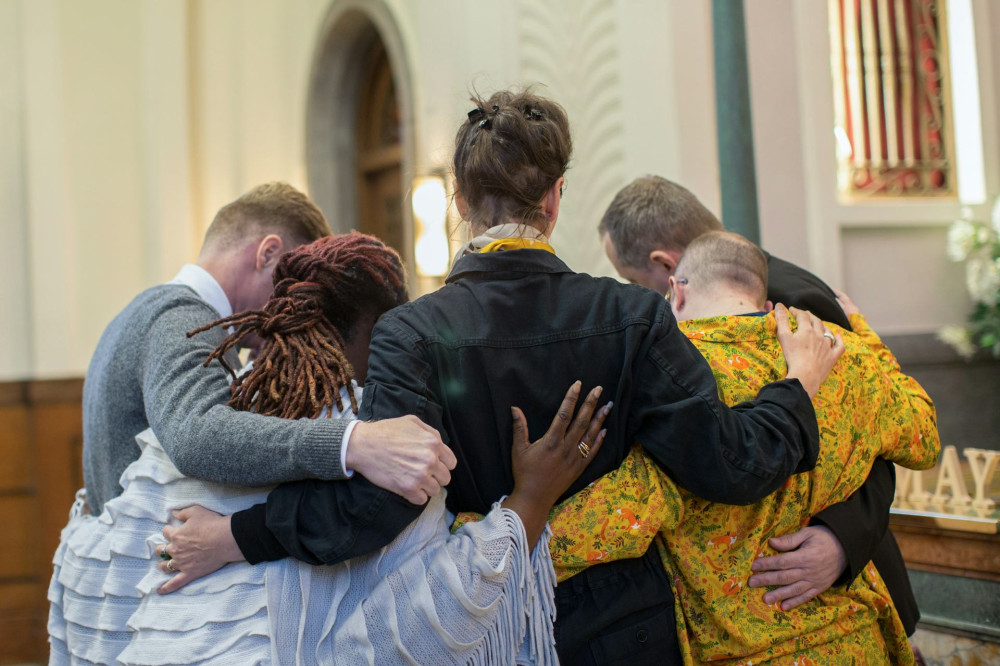
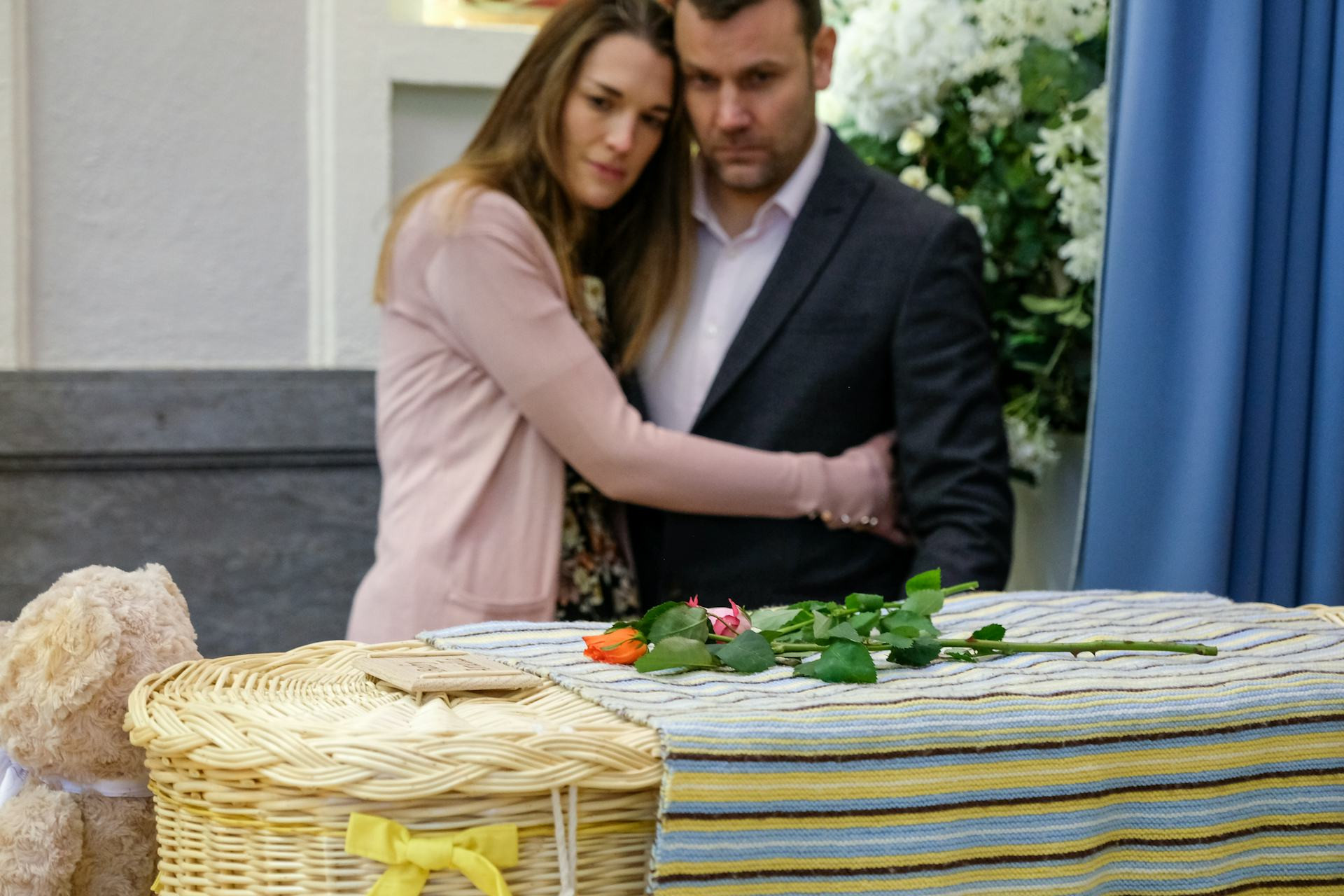
When someone dies, their loved ones face many emotional and practical decisions — including how to say goodbye. In the United States, most funerals still take place in a religious setting, often led by clergy and held in a church, synagogue, or other house of worship. But a growing number of Americans are choosing secular funerals — ceremonies that focus on the person’s life rather than on religious beliefs. Who chooses this kind of farewell, and what motivates them?
What Is a Secular Funeral?
A secular funeral, sometimes called a non-religious or humanist funeral, is a ceremony that does not include prayers, scripture readings, or other religious rituals. Instead, it centers on the life, values, and personality of the deceased. The ceremony can take place almost anywhere — a funeral home, a community center, a park, a private home, or even a favorite beach or garden.
A secular funeral may be led by a celebrant, a family member, or a close friend. The content is entirely flexible: there may be music, poetry, personal tributes, or moments of silence. Some families choose a simple, intimate gathering; others plan a larger event that feels more like a celebration of life. The key idea is freedom — the ability to shape the farewell in a way that feels authentic.
Who Chooses a Secular Funeral?
There is no single type of person who opts for a secular funeral, but several patterns are common.
- Non-religious individuals: Many Americans today identify as “nones” — people with no religious affiliation. For them, a secular funeral is a natural choice that reflects their worldview.
- Humanists and free thinkers: Some people consciously reject religious rituals because they want a ceremony that focuses on human experience, love, and memory rather than faith or the afterlife.
- Families with mixed beliefs: In families where members follow different religions — or none at all — a secular ceremony can serve as neutral ground, allowing everyone to participate comfortably.
- Those seeking a personal farewell: Some families choose a secular service simply because they want the ceremony to tell the story of the person’s life, using music, readings, and memories that feel personal and true.
Why Do People Choose It?
The reasons behind the choice are often a blend of personal values, emotional needs, and practical considerations.
Freedom to Create a Meaningful Ceremony
A secular funeral allows families to design a farewell that truly reflects the person who has died. Without fixed religious rules, they can choose the tone, structure, and content themselves. This freedom can make the ceremony feel more genuine and healing.
A Reflection of Belief — or Non-Belief
For some, the decision is philosophical. They may not believe in an afterlife or feel comfortable with religious language. A secular ceremony lets them honor the person’s life without invoking beliefs that don’t fit their values.
Simplicity and Comfort
Others are drawn to the simplicity of a secular service. Without hymns, sermons, or formal rituals, the atmosphere can feel more relaxed and personal. It can also be less intimidating for guests who are not used to religious settings.
Bringing People Together
In today’s diverse society, families often include people from many backgrounds. A secular funeral can create a shared space for remembrance that includes everyone — believers and non-believers alike.
Læs også:
What Does a Secular Funeral Look Like?
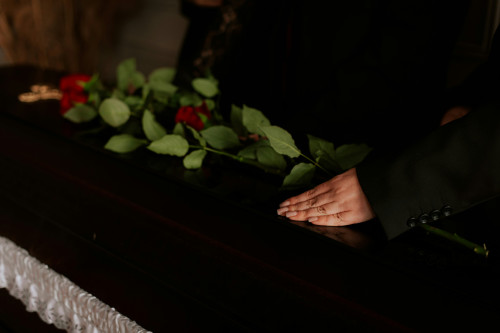
Although there are no strict rules, many secular funerals follow a gentle structure. The ceremony might begin with music, followed by a welcome and a eulogy or life story. Friends and family may share memories, read poems, or play songs that were meaningful to the deceased. The event often ends with a final piece of music or a moment of silence.
Music choices vary widely — from classical pieces to favorite popular songs — and the focus is always on what mattered to the person being remembered. Some families include photo slideshows or video tributes, while others prefer a quiet, minimalist approach. Afterward, the ashes may be buried, scattered, or kept in a special place, depending on the person’s wishes.
A Growing Trend in the United States
In recent years, funeral directors and celebrants across the U.S. have noticed a steady rise in secular and “celebration of life” ceremonies. This shift reflects broader cultural changes: fewer Americans belong to organized religion, and more people want to personalize major life events.
Where earlier generations might have followed tradition without question, many people today want to make conscious choices about how they and their loved ones are remembered. The secular funeral has become a way to express individuality, authenticity, and care — even in the face of loss.
Saying Goodbye on Your Own Terms
Choosing a secular funeral is not necessarily a rejection of tradition, but an embrace of freedom. It’s about creating a farewell that feels right — one that honors the person’s life, values, and relationships. For some, that means a quiet gathering in nature; for others, a lively celebration filled with music and laughter.
Whatever form it takes, a secular funeral reflects a simple truth: the way we say goodbye can be as unique and meaningful as the lives we’re remembering.
Læs også: