Music for Farewells: How to Choose the Right Tunes for Different Types of Funerals and Memorial Services

Music for Farewells: How to Choose the Right Tunes for Different Types of Funerals and Memorial Services
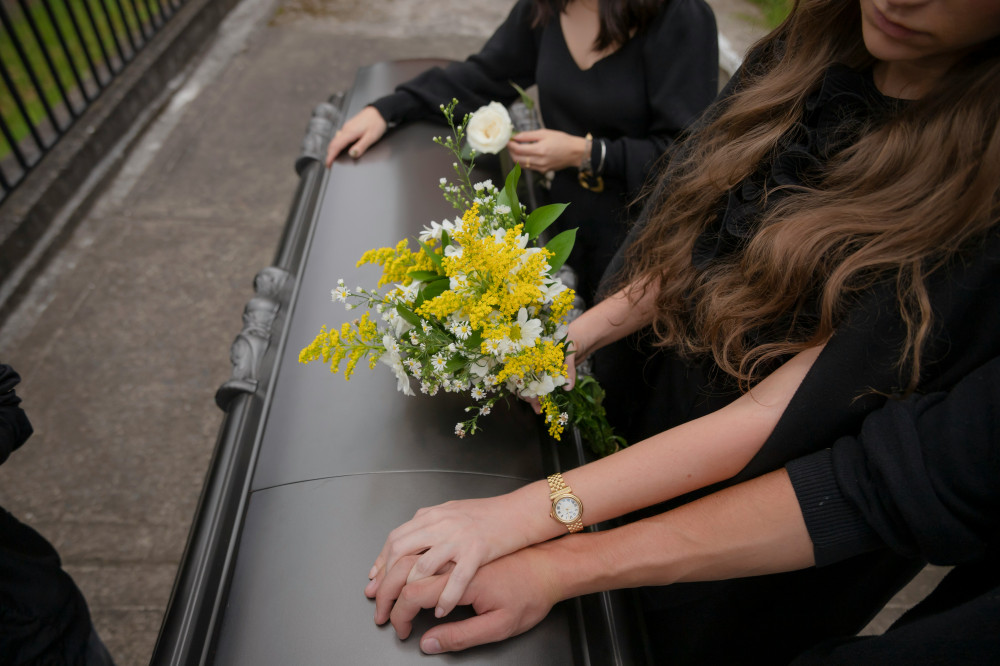
Music has a unique power to express what words cannot. At a funeral or memorial service, it can bring comfort, evoke memories, and help mourners connect with their emotions. Choosing the right music is both a personal and meaningful task—it reflects the life of the person being remembered and sets the tone for the ceremony. Whether you’re planning a traditional church service, a secular celebration of life, or a small family gathering, the right music can make the farewell deeply resonant and heartfelt.
Music as a Mood Setter
Music shapes the atmosphere of a service from the very first note. A gentle piano or string piece can create a sense of calm and reflection, while a song filled with warmth and hope can remind everyone of the beauty of a life well lived. The key is authenticity: the music should feel true to the person being honored and to the emotions of those gathered.
Think about when and how the music will be used—perhaps one piece as guests arrive, another during the ceremony, and a final one as a closing tribute. There are no strict rules, only the goal of creating a flow that supports the words, the silence, and the shared moments of remembrance.
Religious Services – Tradition and Reverence
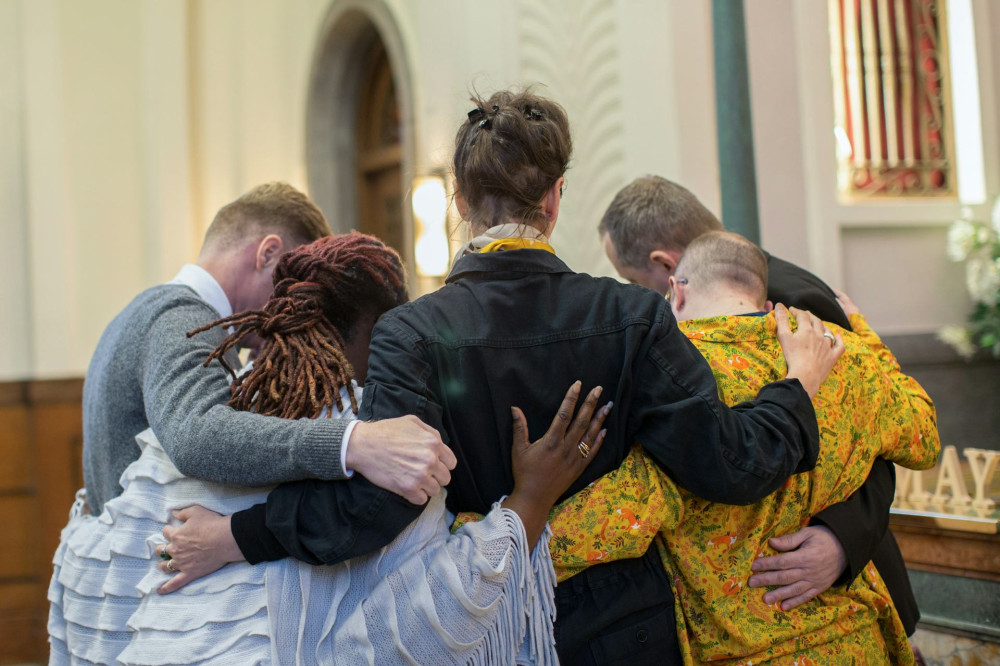
In many American religious funerals, hymns and sacred music play a central role. They offer familiarity, comfort, and a sense of community. Traditional hymns or gospel songs can be deeply moving, especially when they reflect the faith of the deceased.
Instrumental pieces such as organ or string arrangements also fit beautifully within a church setting. If the person had a favorite spiritual song, it can often be included—just be sure to discuss it with the clergy or music director to ensure it aligns with the tone of the service. Many churches are open to blending traditional and personal elements to create a meaningful balance.
Læs også:

Secular or Non-Religious Ceremonies – Freedom and Personal Expression
For non-religious funerals or celebrations of life, there’s greater freedom to choose music that reflects the individual’s personality, passions, and story. Maybe they loved jazz, country, or classic rock—or perhaps there’s a song that always made them smile.
Live performances can add a deeply personal touch, whether by professional musicians or by family and friends who wish to honor their loved one through song. Recorded music works just as well, especially if it includes tracks that were part of the person’s everyday life. The goal is to create a soundscape that feels authentic and comforting to those present.
Memorial Gatherings – Music as Connection
Memorial services held days or weeks after a funeral often have a more reflective or even celebratory tone. Here, music can help bring people together to share stories and memories. The playlist might include a mix of gentle ballads, uplifting tunes, or songs that capture the spirit of the person’s life.
Some families create a playlist of the loved one’s favorite songs to play softly in the background during a reception or gathering. This can spark conversation and shared recollection—music becomes a bridge between the past and the present, between grief and gratitude.
When the Loved One Left Musical Wishes
Sometimes, people leave behind specific requests for their funeral music—a cherished hymn, a favorite artist, or a particular song that meant something special. Honoring those wishes can bring comfort and a sense of closeness.
If no preferences were expressed, think about what music best represents the person’s life and values. What did they listen to most often? What songs remind you of them? The music doesn’t have to be somber—it can be joyful, humorous, or nostalgic if that feels true to who they were.
Practical Considerations
When planning the music, a few practical details can make everything run smoothly:
- Check the sound system: If you’re using recorded music, test the equipment in advance to ensure good sound quality and correct file formats.
- Coordinate with the officiant or organizer: Make sure they know the order and timing of each piece.
- Mind the licensing rules: Some venues require permission to play recorded music publicly. Funeral homes and event spaces can often help clarify what’s allowed.
Music as Part of the Goodbye
Music cannot take away grief, but it can give it shape. It can hold silence, invite tears, and even bring smiles through shared memories. Whether you choose classical pieces, hymns, or contemporary songs, what matters most is that the music speaks to the heart—and tells the story of a life that will always be remembered.
Læs også: