Ready for Competition Day: How to Structure Your Morning and Warm-Up

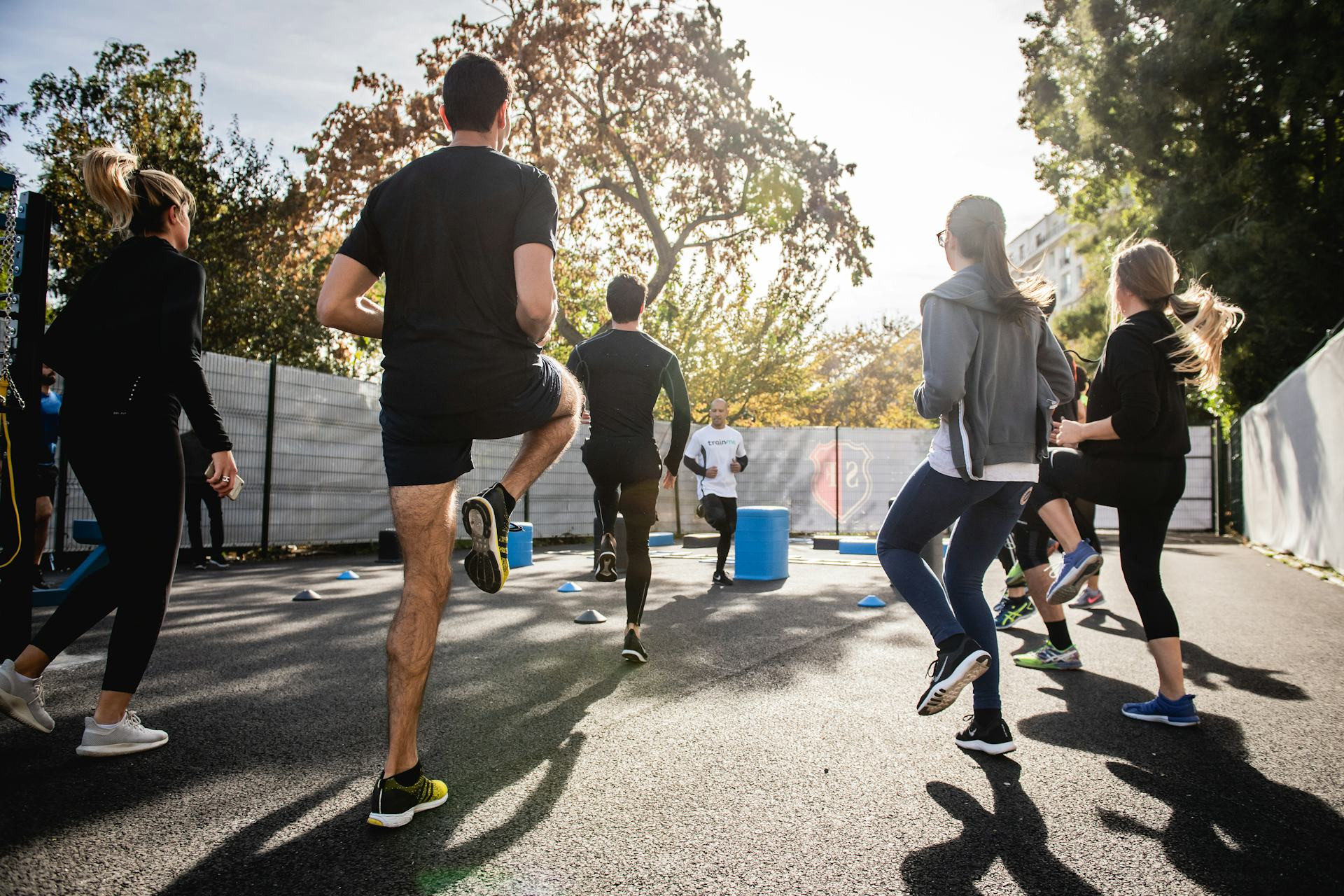
Start your competition day with confidence and a winning mindset
Exercise
Exercise
4 min
Discover how to plan your morning routine and warm-up for peak performance on competition day. From fueling your body to sharpening your focus, this guide helps you arrive at the start line calm, prepared, and ready to give your best.
Daisy Lopez
Daisy
Lopez

Ready for Competition Day: How to Structure Your Morning and Warm-Up

Start your competition day with confidence and a winning mindset
Exercise
Exercise
4 min
Discover how to plan your morning routine and warm-up for peak performance on competition day. From fueling your body to sharpening your focus, this guide helps you arrive at the start line calm, prepared, and ready to give your best.
Daisy Lopez
Daisy
Lopez

When competition day finally arrives, your performance depends on more than just your physical training—it’s also about how you start your day. A well-planned morning and a focused warm-up can make the difference between a strong performance and a disappointing one. Here’s a guide to help you structure your morning so you arrive at the start line calm, confident, and ready to perform your best.

Start Early and Stay Calm

A rushed morning can create unnecessary stress. Give yourself plenty of time to wake up, eat, travel, and warm up without feeling hurried. Work backward from your start time: How long will it take to get to the venue? When should you eat? When should your warm-up begin?

Prepare everything the night before—your outfit, shoes, race bib, water bottle, and any snacks or energy gels. Having your gear ready helps you start the day with a clear mind and reduces the risk of forgetting something important.

Breakfast That Fuels, Not Weighs You Down

Your breakfast should provide energy without making you feel heavy. Stick to foods you know your stomach tolerates well—competition day is not the time to try something new. A mix of carbohydrates and a bit of protein works well for most athletes: oatmeal with fruit, yogurt with granola, or toast with peanut butter.

Eat two to three hours before your start time to allow for digestion. If you need a small energy boost closer to the event, have a banana or an energy bar about an hour before.

Mental Focus: Find Your Zone

Mental preparation is just as important as physical readiness. Use your morning to create a sense of calm and focus. Listen to music that motivates you, practice deep breathing, or visualize your performance. Picture yourself moving smoothly, staying strong, and finishing with confidence.

Avoid getting caught up in the excitement or nerves of others around you—especially at large events. Stick to your own plan and pace.

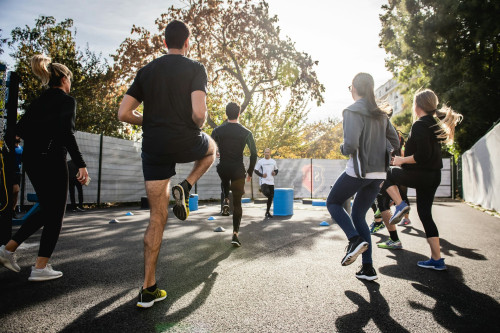
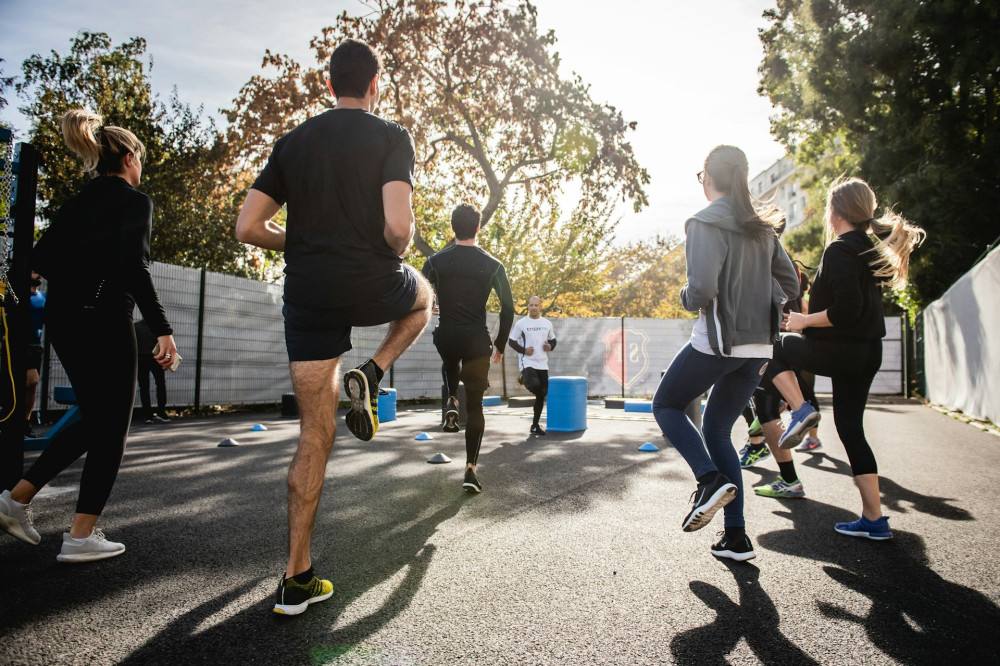
Warm-Up: From Easy Movement to Peak Readiness

A good warm-up prepares both your muscles and your nervous system for the effort ahead. It raises your body temperature, activates key muscle groups, and sharpens your focus.

A balanced warm-up can be divided into three phases:

  1. General Warm-Up (10–15 minutes) Start with light activity such as jogging, cycling, or brisk walking. The goal is to gradually increase your heart rate and body temperature.

  2. Dynamic Mobility (5–10 minutes) Perform dynamic stretches and movements that activate your joints and muscles—leg swings, arm circles, lunges, and gentle squats. Avoid long static stretches, which can reduce muscle tension.

  3. Specific Warm-Up (5–10 minutes) Transition into movements that mimic your competition. If you’re running, include short accelerations. If you’re swimming, practice starts and turns. This phase fine-tunes your body for the exact motions you’ll perform.

Sample Morning Schedule

Here’s an example of a well-structured morning for a competition starting at 10:00 a.m.:

  • 6:30 a.m.: Wake up, drink a glass of water, and eat breakfast.
  • 7:00 a.m.: Take a short walk or do light stretching to wake up your body.
  • 8:00 a.m.: Double-check your gear and head to the venue.
  • 8:45 a.m.: Arrive, pick up your bib or check in, and get familiar with the course or setup.
  • 9:15 a.m.: Begin your warm-up at an easy pace.
  • 9:45 a.m.: Finish your warm-up, sip some water, and focus mentally.
  • 10:00 a.m.: Start—ready and confident.

Adjust the timing to fit your sport and personal routine, but the principle remains the same: create structure to minimize stress and maintain focus.

Common Mistakes to Avoid

Even experienced athletes can make errors on competition day. Watch out for these common pitfalls:

  • Eating too late or too heavy. This can cause discomfort during your event.
  • Skipping the warm-up. It increases the risk of injury and a sluggish start.
  • Getting caught up in others’ pace or energy. Stick to your own plan.
  • Neglecting hydration. Drink small amounts regularly, but avoid overhydrating right before the start.

After the Warm-Up: Stay Ready

Once you’ve finished warming up, keep your body warm and your mind focused. Put on a light jacket, move around gently, and maintain steady breathing. Use the final minutes to center yourself and trust your preparation.

A great competition day doesn’t begin at the starting line—it begins the moment you wake up. With a structured morning and a thoughtful warm-up, you give yourself the best possible foundation to perform at your peak.

Know Your Body: Set Realistic Fitness Goals with Body Awareness
Discover how tuning into your body can help you set achievable fitness goals and build lasting healthy habits
Exercise
Exercise
Fitness
Body Awareness
Health
Wellness
Motivation
2 min
Learn how body awareness can transform your approach to fitness. By understanding your body’s signals and setting goals that match your unique needs, you can create a sustainable path toward strength, balance, and well-being.
Evan Smith
Evan
Smith
Full-Body Cycling – Gentle Exercise with Big Results
Discover how cycling can tone your whole body while being gentle on your joints
Exercise
Exercise
Cycling
Fitness
Low-Impact Exercise
Health
Wellness
5 min
Cycling is more than just a way to get from A to B—it’s a full-body workout that builds strength, boosts endurance, and supports heart health without high impact. Learn how this accessible exercise can improve both your physical fitness and mental well-being.
Olivia Rivera
Olivia
Rivera
Combine Your Exercises: Create a Well-Rounded Home Workout
Build strength, endurance, and flexibility with a balanced home workout routine
Exercise
Exercise
Home Workout
Fitness
Exercise Routine
Health
Motivation
4 min
Discover how to combine different types of exercises to create a complete home workout that fits your goals, space, and schedule. Learn how to stay motivated, use what you have, and make fitness a lasting part of your daily life.
Alexis Green
Alexis
Green
Disagreements at Work? How to Turn Conflict into Collaboration
Turn workplace tension into an opportunity for growth and stronger teamwork
Lifestyle
Lifestyle
Workplace Conflict
Teamwork
Communication
Leadership
Collaboration
6 min
Conflicts at work are unavoidable—but they don’t have to divide your team. Learn how to transform disagreements into productive dialogue, uncover shared goals, and build a more collaborative and innovative work environment.
Daisy Lopez
Daisy
Lopez
Make Everyday Life Easier: Find Meaning in the Little Things
Discover how small daily moments can bring calm, balance, and a deeper sense of purpose
Lifestyle
Lifestyle
Mindfulness
Everyday Life
Wellbeing
Personal Growth
Simplicity
5 min
Everyday routines don’t have to feel like endless chores. By shifting your perspective, you can turn ordinary tasks into meaningful rituals that create structure, presence, and joy in your day. Learn how to find peace and purpose in the little things that make up your life.
Marco Stevens
Marco
Stevens
Between Past and Future: How to Find Balance in Times of Change
Discover how to stay grounded while embracing the possibilities that change brings
Lifestyle
Lifestyle
Personal Growth
Life Balance
Change
Mindfulness
Self-Development
7 min
Life rarely stands still. Whether you’re facing a personal transition or a shifting world around you, finding balance between what was and what’s to come can help you move forward with clarity and confidence. This article explores how to honor the past, welcome the future, and create calm in the midst of transformation.
Evan Smith
Evan
Smith
Small Moves, Big Impact: Boost Your Everyday Energy Without Working Out
Discover how simple daily movements can recharge your body and mind
Lifestyle
Lifestyle
Energy
Wellness
Healthy Habits
Lifestyle
Mindfulness
3 min
You don’t need a gym membership to feel more energized. Learn how small, mindful movements throughout your day can lift your mood, sharpen your focus, and boost your overall well-being—no workout required.
Olivia Rivera
Olivia
Rivera
Sustainable Living in Practice: Small Steps That Make a Big Difference
Discover how everyday choices can lead to a more sustainable and fulfilling lifestyle
Lifestyle
Lifestyle
Sustainability
Eco-Friendly Living
Green Lifestyle
Environment
Conscious Consumption
2 min
Sustainable living doesn’t have to be complicated. This article explores simple, practical steps you can take to reduce your environmental impact, live more mindfully, and make a positive difference — one small action at a time.
Alexis Green
Alexis
Green