Know Your Body: Set Realistic Fitness Goals with Body Awareness

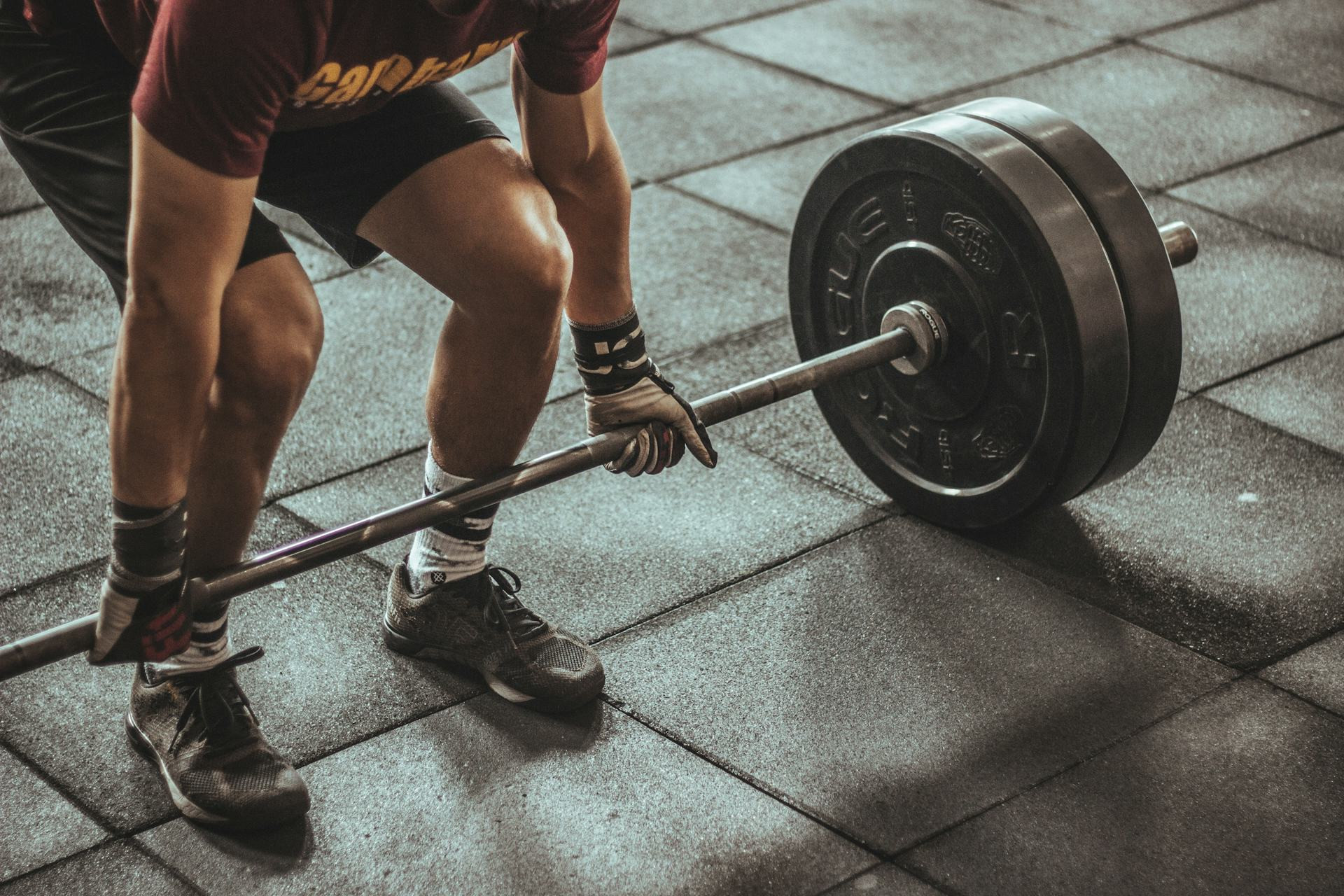
Discover how tuning into your body can help you set achievable fitness goals and build lasting healthy habits
Exercise
Exercise
2 min
Learn how body awareness can transform your approach to fitness. By understanding your body’s signals and setting goals that match your unique needs, you can create a sustainable path toward strength, balance, and well-being.
Evan Smith
Evan
Smith

Know Your Body: Set Realistic Fitness Goals with Body Awareness

Discover how tuning into your body can help you set achievable fitness goals and build lasting healthy habits
Exercise
Exercise
2 min
Learn how body awareness can transform your approach to fitness. By understanding your body’s signals and setting goals that match your unique needs, you can create a sustainable path toward strength, balance, and well-being.
Evan Smith
Evan
Smith

Setting fitness goals can be a powerful motivator—but also a source of frustration if those goals don’t align with your body, lifestyle, and mindset. Body awareness is about understanding how your body responds, moves, and adapts. When you learn to listen to your body, it becomes easier to set realistic goals that support both your fitness and your overall well-being. Here’s how you can use body awareness as the foundation for a healthy, sustainable fitness journey.

What Does Body Awareness Mean?

Body awareness is the ability to sense and understand your body’s signals—both physical and mental. It’s about recognizing when you’re tired, tense, strong, or stressed, and using that information to guide your training. Many people associate fitness with pushing harder, but you can often achieve better results by working with your body instead of against it.

When you become more aware of your body’s rhythm, you can adjust intensity, technique, and recovery more effectively. This not only reduces the risk of injury but also increases the likelihood that you’ll stick with your routine over time.

Start by Understanding Your Baseline

Before setting goals, it’s important to know where you’re starting from. Ask yourself:

  • How does my body feel day to day—am I often tired, tense, or full of energy?
  • Which movements feel natural, and where do I notice limitations?
  • How do sleep, nutrition, and stress affect my energy levels?

Try keeping a short journal for a week, noting how your body feels before and after workouts, and how your mood and energy shift throughout the day. This gives you a realistic picture of your current state—and a solid foundation to build on.

Set Goals That Fit You

A realistic fitness goal takes into account your physical condition, daily life, and motivation. Instead of chasing quick results, focus on progress and consistency. A good goal is:

  • Specific: “I want to run a 5K without stopping” is clearer than “I want to get in shape.”
  • Measurable: You can track your progress and make adjustments along the way.
  • Achievable: It should challenge you, but still be within reach.
  • Relevant: It should matter to you, not just reflect what others are doing.
  • Time-bound: Set a timeframe—say, three months—and reassess afterward.

When your goals reflect what your body can realistically handle, training becomes a positive experience rather than a struggle against unrealistic expectations.

Listen to Your Body Along the Way

Your body is always communicating—but we often ignore the signals. Soreness, fatigue, or lack of motivation can be signs that you need rest or variety. That doesn’t mean giving up; it means adjusting.

Learn to distinguish between “good” and “bad” fatigue. Good fatigue feels like warmth and satisfaction in your muscles, while bad fatigue can cause pain, stiffness, or irritability. By responding to your body’s signals early, you can prevent overtraining and keep your workouts enjoyable.

Make Body Awareness Part of Your Routine

You can strengthen your body awareness through small changes in how you train:

  • Be present: Notice how your body moves with each lift, stride, or stretch.
  • Focus on form: Proper technique leads to better results than simply doing more reps.
  • Use your breath: Controlled breathing helps you find rhythm and balance.
  • Try mindful movement: Practices like yoga, Pilates, or tai chi can help you connect body and mind.

The more you practice tuning in to your body, the easier it becomes to adjust your workouts to its needs.

Celebrate Small Wins

Many people lose motivation because they only focus on the end goal. But progress happens in small steps. Celebrate when you can run a little farther, lift a little heavier, or simply feel stronger and more stable. These are signs that you’re moving in the right direction.

Recognizing small victories builds confidence and helps you maintain healthy habits—even on days when motivation is low.

Fitness as a Lifelong Process

Body awareness isn’t just about reaching a goal—it’s about building a sustainable relationship with your body. Your fitness level, energy, and motivation will change throughout life, and that’s perfectly normal. By listening to your body and adjusting as you go, you can keep movement a joyful and rewarding part of your life at any age.

When you truly know your body, exercise stops being a chore and becomes a way to care for yourself. That’s the most realistic—and most fulfilling—path to a strong, healthy life.

Know Your Body: Set Realistic Fitness Goals with Body Awareness
Discover how tuning into your body can help you set achievable fitness goals and build lasting healthy habits
Exercise
Exercise
Fitness
Body Awareness
Health
Wellness
Motivation
2 min
Learn how body awareness can transform your approach to fitness. By understanding your body’s signals and setting goals that match your unique needs, you can create a sustainable path toward strength, balance, and well-being.
Evan Smith
Evan
Smith
Full-Body Cycling – Gentle Exercise with Big Results
Discover how cycling can tone your whole body while being gentle on your joints
Exercise
Exercise
Cycling
Fitness
Low-Impact Exercise
Health
Wellness
5 min
Cycling is more than just a way to get from A to B—it’s a full-body workout that builds strength, boosts endurance, and supports heart health without high impact. Learn how this accessible exercise can improve both your physical fitness and mental well-being.
Olivia Rivera
Olivia
Rivera
Combine Your Exercises: Create a Well-Rounded Home Workout
Build strength, endurance, and flexibility with a balanced home workout routine
Exercise
Exercise
Home Workout
Fitness
Exercise Routine
Health
Motivation
4 min
Discover how to combine different types of exercises to create a complete home workout that fits your goals, space, and schedule. Learn how to stay motivated, use what you have, and make fitness a lasting part of your daily life.
Alexis Green
Alexis
Green
Disagreements at Work? How to Turn Conflict into Collaboration
Turn workplace tension into an opportunity for growth and stronger teamwork
Lifestyle
Lifestyle
Workplace Conflict
Teamwork
Communication
Leadership
Collaboration
6 min
Conflicts at work are unavoidable—but they don’t have to divide your team. Learn how to transform disagreements into productive dialogue, uncover shared goals, and build a more collaborative and innovative work environment.
Daisy Lopez
Daisy
Lopez
Make Everyday Life Easier: Find Meaning in the Little Things
Discover how small daily moments can bring calm, balance, and a deeper sense of purpose
Lifestyle
Lifestyle
Mindfulness
Everyday Life
Wellbeing
Personal Growth
Simplicity
5 min
Everyday routines don’t have to feel like endless chores. By shifting your perspective, you can turn ordinary tasks into meaningful rituals that create structure, presence, and joy in your day. Learn how to find peace and purpose in the little things that make up your life.
Marco Stevens
Marco
Stevens
Between Past and Future: How to Find Balance in Times of Change
Discover how to stay grounded while embracing the possibilities that change brings
Lifestyle
Lifestyle
Personal Growth
Life Balance
Change
Mindfulness
Self-Development
7 min
Life rarely stands still. Whether you’re facing a personal transition or a shifting world around you, finding balance between what was and what’s to come can help you move forward with clarity and confidence. This article explores how to honor the past, welcome the future, and create calm in the midst of transformation.
Evan Smith
Evan
Smith
Small Moves, Big Impact: Boost Your Everyday Energy Without Working Out
Discover how simple daily movements can recharge your body and mind
Lifestyle
Lifestyle
Energy
Wellness
Healthy Habits
Lifestyle
Mindfulness
3 min
You don’t need a gym membership to feel more energized. Learn how small, mindful movements throughout your day can lift your mood, sharpen your focus, and boost your overall well-being—no workout required.
Olivia Rivera
Olivia
Rivera
Sustainable Living in Practice: Small Steps That Make a Big Difference
Discover how everyday choices can lead to a more sustainable and fulfilling lifestyle
Lifestyle
Lifestyle
Sustainability
Eco-Friendly Living
Green Lifestyle
Environment
Conscious Consumption
2 min
Sustainable living doesn’t have to be complicated. This article explores simple, practical steps you can take to reduce your environmental impact, live more mindfully, and make a positive difference — one small action at a time.
Alexis Green
Alexis
Green