Introduction to the Hydraulic Deep Drawing Press
Technology
Technology
27/12/2025
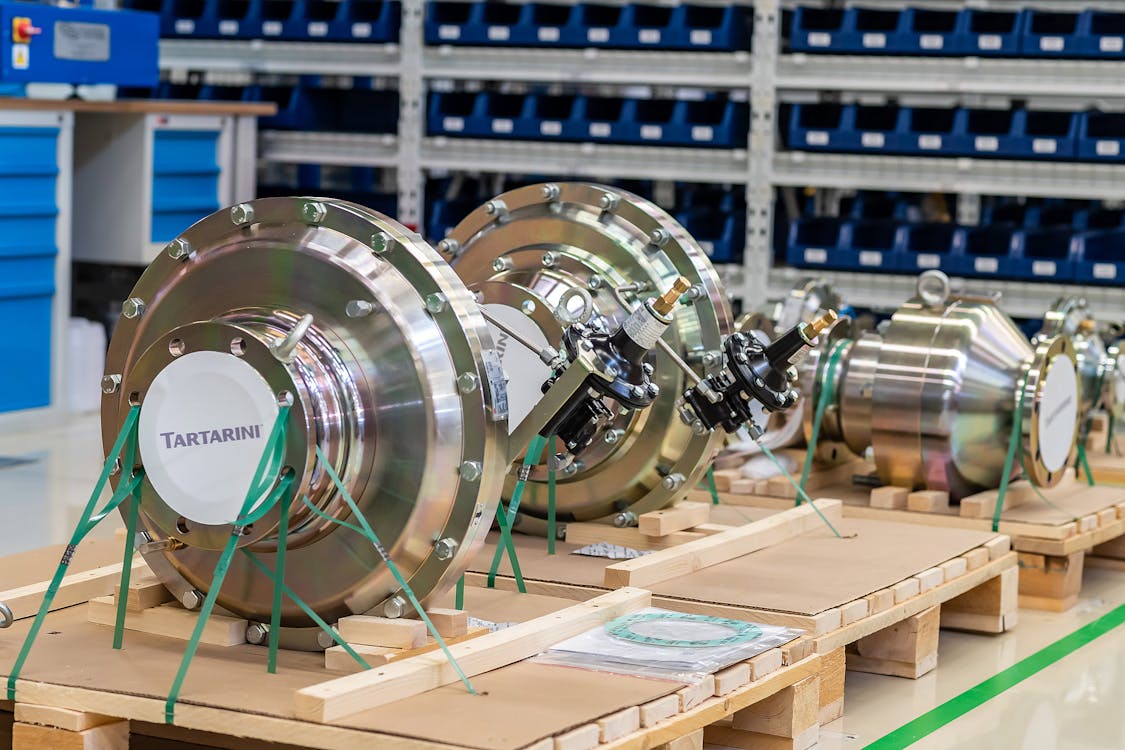

Introduction to the Hydraulic Deep Drawing Press
Technology
Technology
27/12/2025
A hydraulic deep drawing press is a specialized type of press used primarily for shaping sheet metal into complex, three-dimensional parts. Unlike conventional mechanical presses, a hydraulic deep drawing press uses hydraulic pressure to gradually and uniformly form metal sheets. This controlled force allows for the production of high-quality components with minimal risk of tearing, wrinkling, or distortion. Industries such as automotive, aerospace, electronics, and appliance manufacturing rely heavily on this technology for producing cups, panels, containers, and other deep-formed components.
How a Hydraulic Deep Drawing Press Functions
The operation of a hydraulic deep drawing press is based on the principles of hydraulics, where fluid pressure generates a precise and controllable force. The basic setup consists of a hydraulic cylinder, ram, die, and punch. The metal sheet, also called the blank, is placed over the die. When the hydraulic system is activated, the press ram applies a gradual force via the punch, stretching the sheet metal into the die cavity. Because the hydraulic system can precisely regulate both speed and pressure, a hydraulic deep drawing press can handle a wide variety of materials, including aluminum, stainless steel, copper, and high-strength alloys. Operators can adjust parameters such as draw speed, pressure, and hold time to ensure optimal material flow and surface finish.Key Components of a Hydraulic Deep Drawing Press
A typical hydraulic deep drawing press includes several essential components that work together to achieve accurate metal forming:- Hydraulic Cylinder: Converts hydraulic pressure into linear motion to drive the ram.
- Ram/Platen: The moving component that applies force to the punch.
- Punch and Die: The punch shapes the metal by pushing it into the die cavity.
- Blank Holder: Prevents wrinkling by controlling the flow of the sheet metal.
- Hydraulic Pump and Reservoir: Provides and stores pressurized fluid.
- Control Valves and System: Allows operators to precisely manage pressure, speed, and timing.
Applications of the Hydraulic Deep Drawing Press
The versatility of a hydraulic deep drawing press makes it suitable for numerous industrial applications:- Automotive Panels: Car doors, hoods, fuel tanks, and other sheet metal components are often formed using deep drawing presses.
- Household Appliances: Washing machine drums, refrigerator liners, and other appliance shells are manufactured using this technology.
- Aerospace Components: Aircraft parts requiring precise tolerances and smooth finishes benefit from deep drawing processes.
- Containers and Industrial Parts: Metal cans, barrels, and enclosures can be formed efficiently.
Advantages of a Hydraulic Deep Drawing Press
There are several benefits to using a hydraulic deep drawing press compared to traditional mechanical presses:- Adjustable Pressure: The hydraulic system allows for gradual or high-force pressing, depending on the material requirements.
- Smooth Operation: Unlike mechanical presses, hydraulic presses can apply force steadily, which reduces the risk of wrinkling or tearing.
- Flexibility: A hydraulic deep drawing press can form parts of different shapes, sizes, and thicknesses without requiring major adjustments.
- Uniform Force Distribution: Hydraulic systems distribute pressure evenly across the metal, ensuring consistent quality.
- Energy Efficiency: Modern hydraulic systems are more energy-efficient, applying force only when needed rather than continuously.
Types of Hydraulic Deep Drawing Presses
Hydraulic deep drawing presses come in several configurations, each designed for specific needs:- C-Frame Hydraulic Deep Drawing Press: Open on three sides, ideal for smaller parts and easier access.
- H-Frame Hydraulic Deep Drawing Press: Strong and rigid, suitable for larger components.
- Four-Column Hydraulic Deep Drawing Press: Provides uniform force across wide surfaces for large panels.
- Servo-Hydraulic Deep Drawing Press: Combines hydraulic power with electric servo motors for precision and energy savings.
Safety Measures for Operating a Hydraulic Deep Drawing Press
Operating a hydraulic deep drawing press requires careful attention to safety due to the high pressures and moving components involved. Recommended safety measures include:- Installing protective barriers and guards around the press to prevent accidental contact.
- Regular inspection of hydraulic lines, cylinders, and valves to prevent leaks or failures.
- Using emergency stop buttons and pressure relief valves to quickly halt operations if necessary.
- Providing proper training for operators to handle the press safely and efficiently.