Colors in Daylight and Evening Light – How to Choose Shades That Work All Day

Colors in Daylight and Evening Light – How to Choose Shades That Work All Day
When choosing colors for your home, it’s not just about personal taste or style – light plays a major role. A shade that looks calm and balanced in daylight can appear darker or more intense under evening lighting. Understanding how colors shift throughout the day helps you create rooms that feel harmonious from morning to night.
How Light Changes Throughout the Day
Daylight is constantly changing. Morning light tends to be cool and bluish, midday light is more neutral, and evening light takes on a warm, golden tone. These shifts affect how every color appears.
- North-facing rooms receive cooler, consistent light that can make blues and grays feel colder. Warm tones like beige, terracotta, or blush can add balance.
- South-facing rooms are bathed in warm sunlight most of the day. Cool colors such as blue, green, and gray can create a refreshing contrast.
- East-facing rooms get bright morning light but dim later in the day – choose colors that still feel lively in softer afternoon light.
- West-facing rooms glow with warm, golden light in the evening, which can intensify reds and yellows.
Knowing your room’s orientation is the first step toward choosing colors that look good all day long.
Test Colors in Different Lighting
A small paint chip rarely tells the full story. Instead, paint a larger sample directly on the wall and observe it in both natural and artificial light. Look at it in the morning, midday, and evening – you’ll often notice the color shifts more than expected.
It’s also smart to test samples on multiple walls, since light hits each surface differently. This gives you a realistic sense of how the color will behave in everyday conditions.
Læs også:

The Relationship Between Color and Lighting
Artificial lighting has a big impact on how colors appear.
- LED and halogen bulbs with a high color rendering index (CRI above 90) show colors more accurately.
- Warm light (2700–3000 kelvin) enhances reds and yellows, creating a cozy atmosphere.
- Cool light (4000 kelvin and above) makes blues and greens feel fresher but can flatten warm tones.
Layering different light sources – ceiling fixtures, wall sconces, and table lamps – lets you adjust the mood and keeps colors looking vibrant at any time of day.
Neutrals as a Reliable Base
If you want a space that feels balanced from morning to night, neutrals are a great foundation. Shades of gray, beige, and taupe shift less dramatically in changing light, though they can still lean warm or cool depending on their undertones.
A good rule of thumb: choose a neutral with an undertone that complements your room’s light. In a north-facing room, a warm gray can prevent the space from feeling chilly, while a cool beige can tone down the warmth in a sun-drenched south-facing room.
Colors That Work from Dawn to Dusk
Some colors naturally adapt well to changing light.
- Muted greens and blue-grays evolve beautifully throughout the day and bring a sense of calm.
- Soft earth tones like clay, caramel, and sand add warmth without feeling heavy.
- Chalky pastels reflect light and stay fresh even as the sun sets.
The goal isn’t to find one “perfect” color, but to choose shades that feel comfortable and natural as the light shifts.
Balance with Materials and Textures
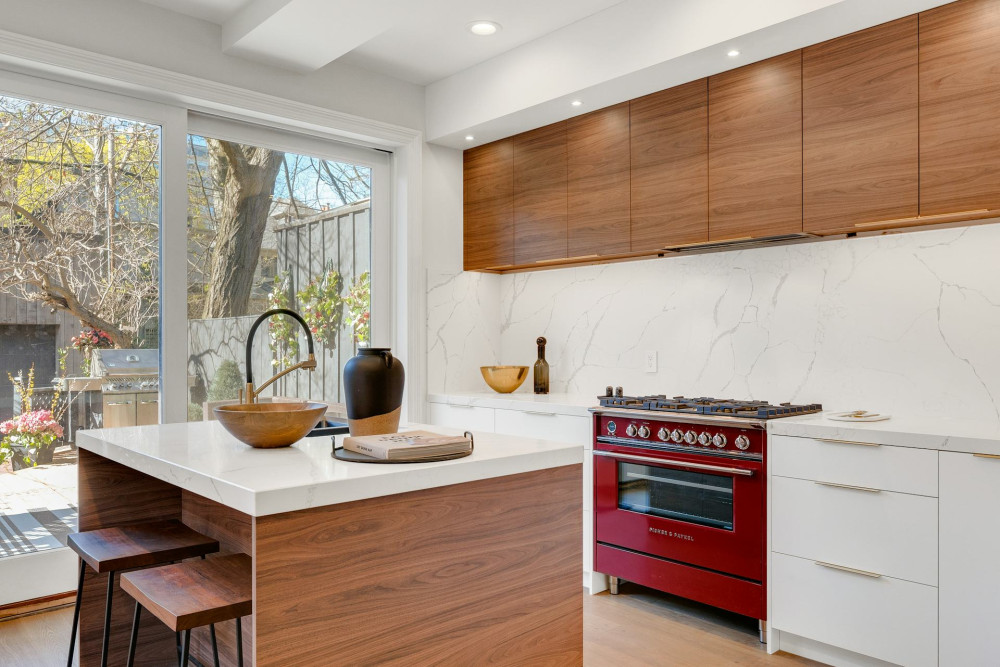
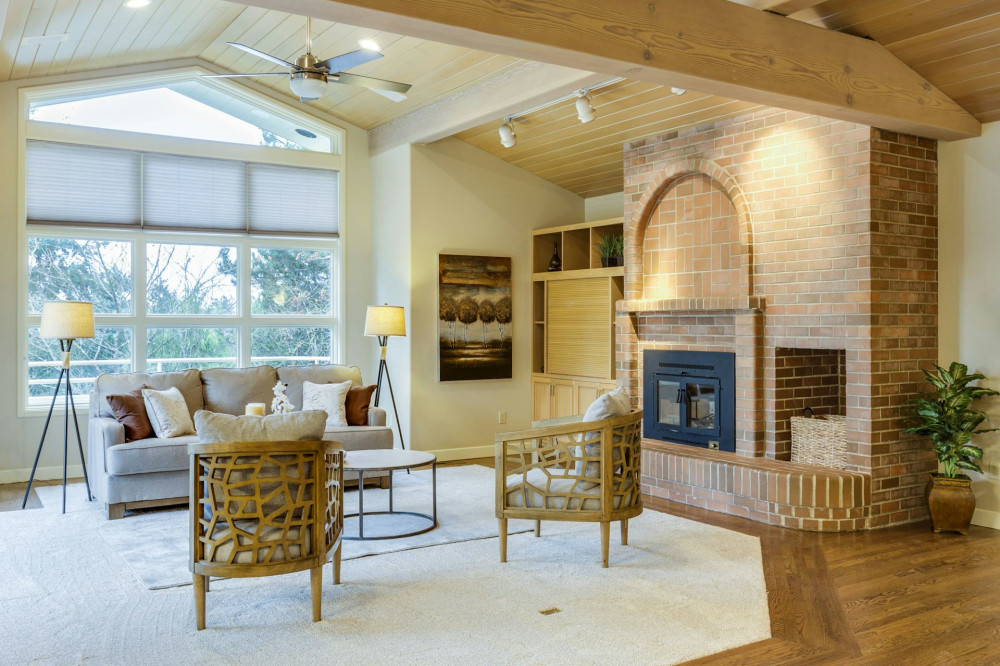
Colors never exist in isolation – they interact with everything around them. Wood, metal, fabrics, and plants all influence how a color is perceived. A room with many hard surfaces can benefit from warm tones and soft textiles, while a space with dark furniture can be brightened with cooler walls and airy curtains.
By considering color and material together, you can create a home that feels cohesive and inviting at any hour.
A Home That Lives with the Light
The light in your home is always changing – and that’s what makes it come alive. When you choose colors with both daylight and evening light in mind, you create spaces that feel natural, welcoming, and balanced. It takes a bit of experimentation, but the reward is a home that moves gracefully with the rhythm of the day – and always feels just right.
Læs også: