The Joy of Food and Movement – Even as Your Body Changes

The Joy of Food and Movement – Even as Your Body Changes
Our bodies change throughout life—it’s part of being human. Muscles may soften, energy levels shift, and appetite can come and go. But the joy of food and movement doesn’t have to fade. In fact, it can deepen when we learn to listen to our bodies and discover new ways to nourish and move them. Here’s how you can keep—or rediscover—the joy of eating and moving, even as your body evolves.
When Your Body Changes – and That’s Okay
Whether it’s due to aging, illness, menopause, or lifestyle shifts, your body will naturally change over time. You might notice that you can’t do quite what you used to, or that your weight and appetite fluctuate. That can be frustrating, but it’s also an opportunity to rethink what health and well-being mean to you right now.
Instead of focusing on what you can’t do anymore, ask yourself: What feels good for me today? Maybe it’s a gentle walk instead of a run, or a new way of cooking that fits your current energy and taste. Change can be an invitation to care for yourself differently—not less.
Læs også:

Food as Pleasure and Nourishment
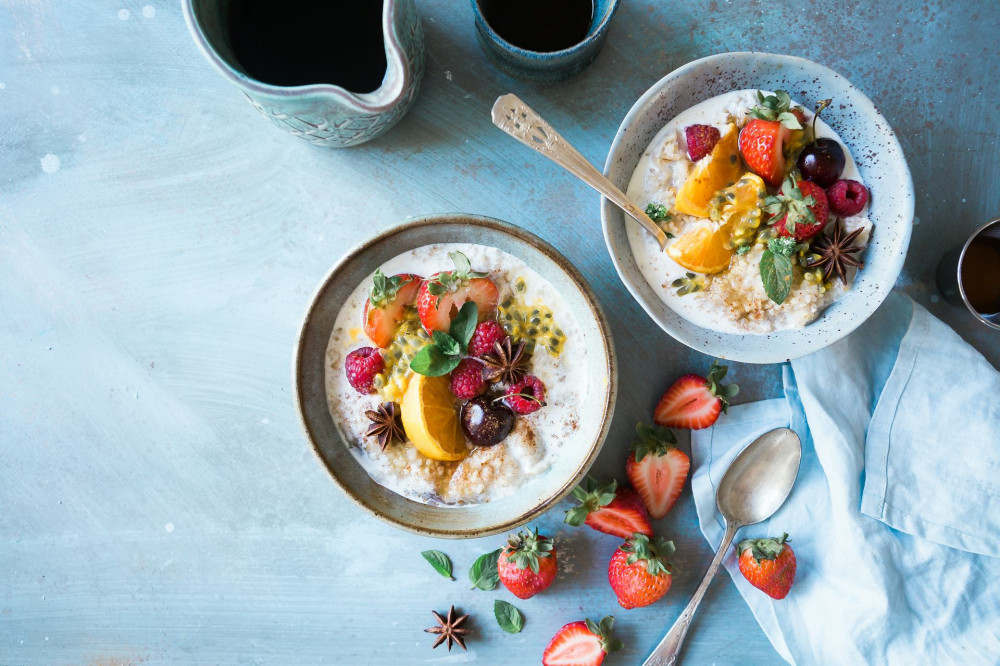
Food is more than fuel—it’s comfort, connection, and joy. As your body changes, it can help to adjust your habits and expectations.
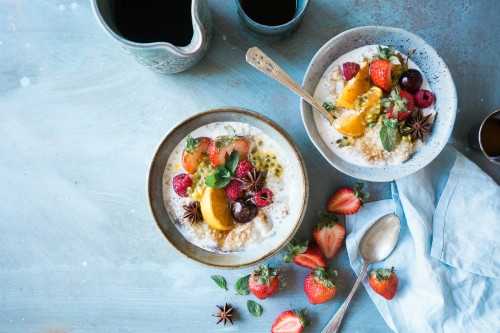
- Eat with curiosity. Try new ingredients, spices, or cooking methods. Exploring new flavors can bring excitement back to the table.
- Listen to hunger and fullness. Your body’s signals may shift with age, so smaller, more frequent meals might feel better.
- Make meals an experience. Set the table, slow down, and savor each bite. Enjoying your food supports both digestion and mood.
- Focus on quality over quantity. Fresh produce, whole grains, lean proteins, and healthy fats give your body what it needs—without feeling restrictive.
Finding joy in food often means giving yourself permission to enjoy it, even if your body doesn’t respond the way it once did.
Movement as Joy – Not Obligation
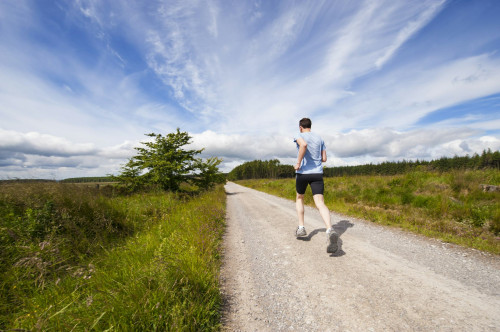
Movement is one of the best ways to support both physical and mental health. But it doesn’t have to mean intense workouts or competition. The key is finding movement that feels right for you.
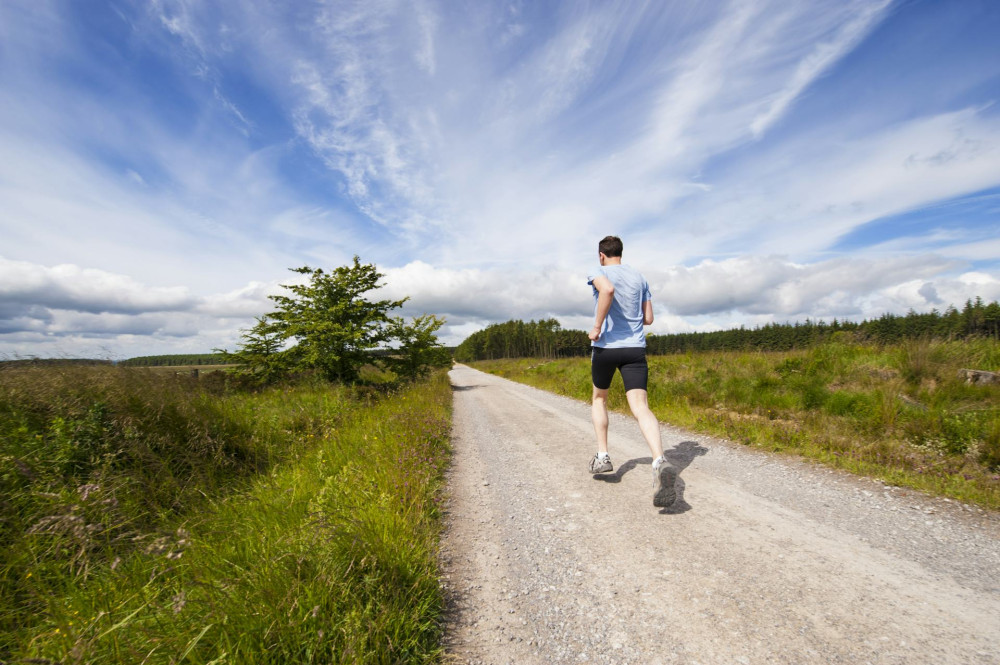
- Take a daily walk. It boosts circulation, lifts your mood, and gets you outdoors.
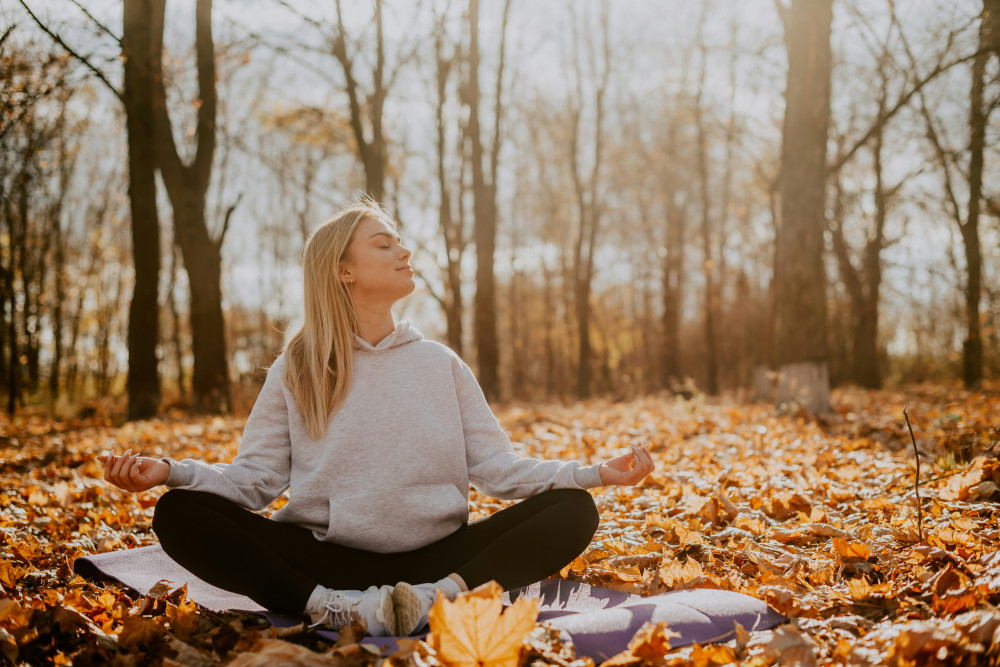
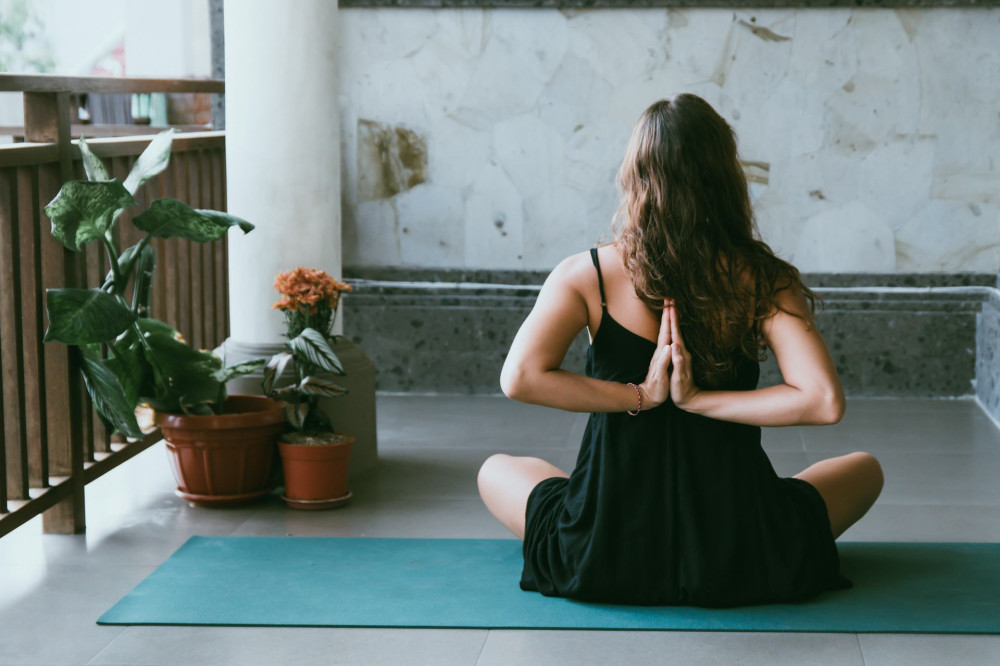
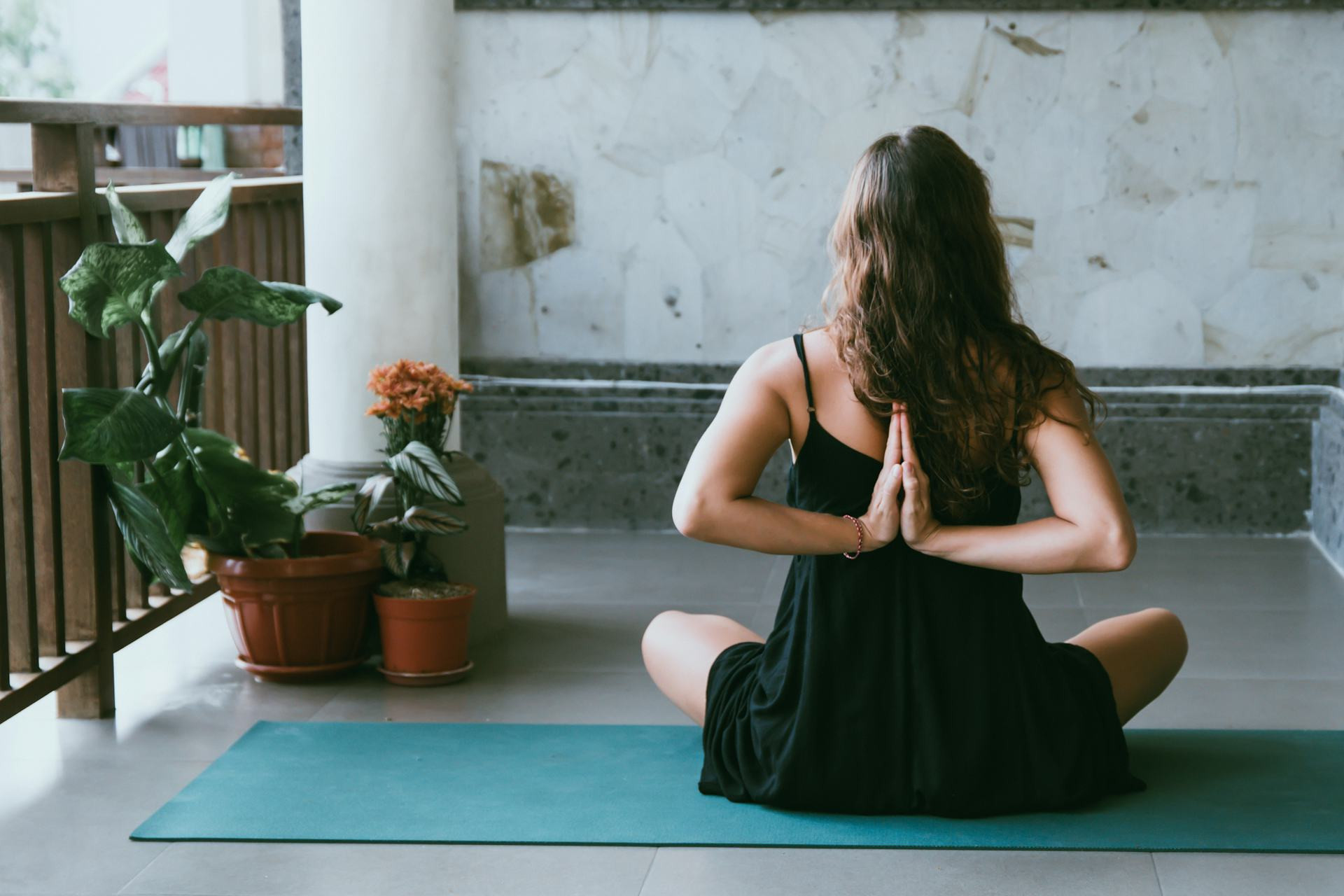
- Try gentle exercise. Yoga, Pilates, or water aerobics can be kind to your joints while keeping you strong.
- Dance, garden, or play. Anything that gets you moving with joy counts.
- Listen to your body. Some days you may need rest; other days you’ll crave more activity. Both are perfectly fine.
When movement becomes a natural part of your day, it stops feeling like a chore and starts feeling like a gift to yourself.
The Mental Side – Acceptance and Adaptation
Body changes can affect how you see yourself. You might not feel quite like “you” anymore. That’s a normal reaction, but shifting your focus from appearance to function can help: What can your body still do? What brings you energy and happiness?
Accepting your body’s changes doesn’t mean giving up—it means choosing to live well with the body you have now. Many people find a new sense of freedom when they let go of perfection and embrace what’s real and enjoyable.
Community and Motivation
It’s easier to maintain healthy habits when you share them with others. Join a cooking class, a walking group, or a local fitness program. Community brings motivation and joy—and it helps you stay consistent, even on low-energy days.
Sharing experiences around food and movement can also open new perspectives. You might find that others face similar challenges—and that finding solutions together can be both fun and inspiring.
Let Joy Lead the Way
When your body changes, it’s easy to focus on limitations. But joy can be a stronger motivator than discipline. When you truly enjoy what you eat and how you move, it becomes easier to stay consistent—and you’ll feel more energized in daily life.
In the end, the joy of food and movement is about caring for yourself with respect, curiosity, and love for the body you live in.
Læs også: