Nature’s Mark on Culture: How the Landscape Shapes Life and Expression

Nature’s Mark on Culture: How the Landscape Shapes Life and Expression
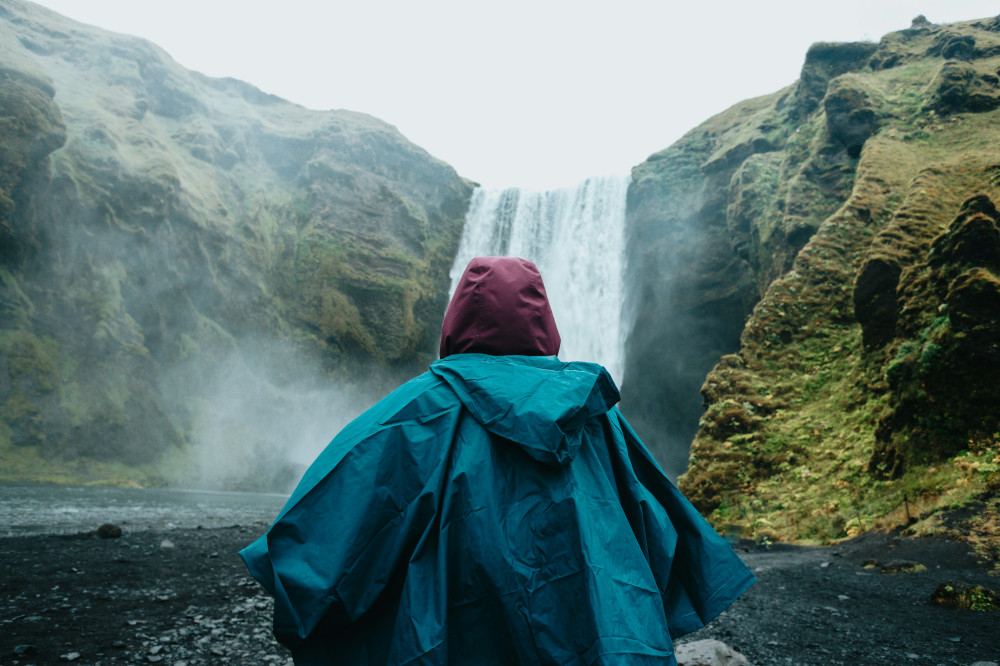
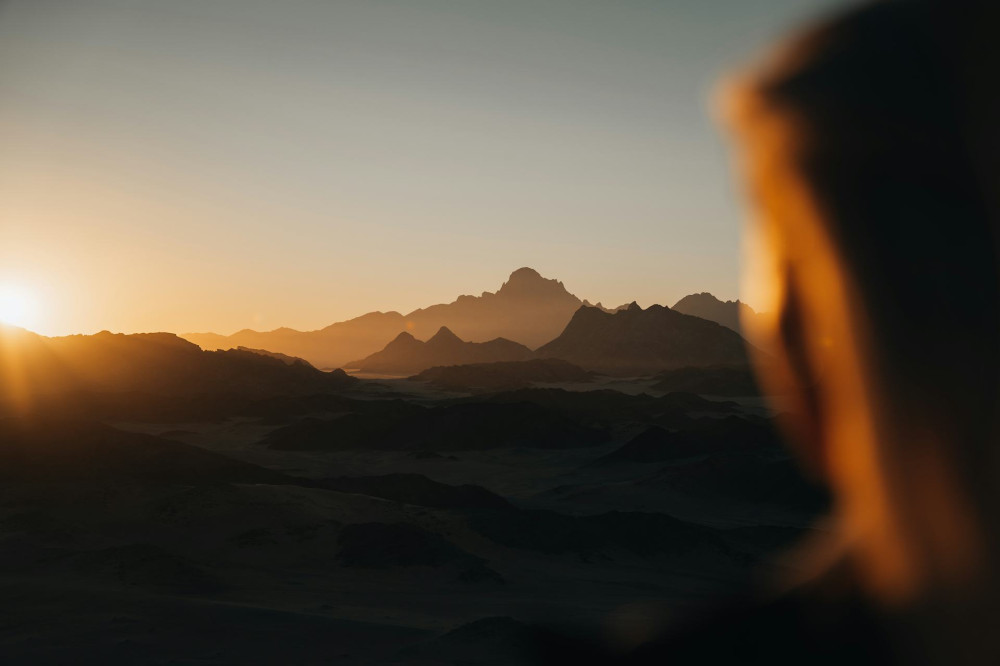
When we look across a landscape—mountains, plains, rivers, or deserts—we see more than scenery. We see the traces of human life, work, and imagination. Nature has always been a co-creator of culture: it shapes our architecture, our food, our language, and our art. In the United States, where the land stretches from arctic tundra to tropical coastlines, the diversity of landscapes has left a deep imprint on how people live and express themselves.
The Land as a Framework for Life and Community
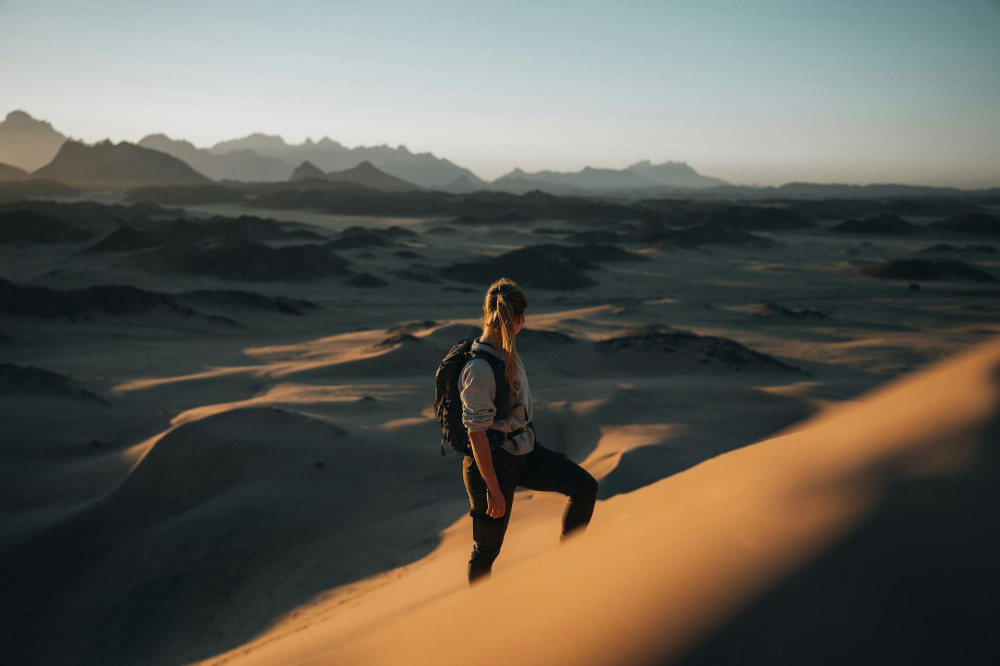
For centuries, Americans have adapted to the environments they inhabit. Coastal communities built their lives around the sea—through fishing, trade, and a culture of openness to the wider world. Inland, farming communities grew where the soil was rich and the seasons predictable, while in the arid West, survival demanded ingenuity and cooperation. Even today, these differences can be felt: in local traditions, in dialects, and in the ways people relate to the land.
The landscape has also shaped the sense of community. In the Great Plains, where the horizon seems endless, neighbors learned to rely on one another across vast distances. In the Appalachian Mountains, small towns nestled in valleys fostered close-knit networks of families and traditions. Nature has never been just a backdrop—it has been a partner in the social fabric of American life.
Læs også:


Nature’s Influence on Architecture and Craft
American architecture tells a story of adaptation to place. In New England, early settlers built with timber and stone to withstand harsh winters. In the Southwest, adobe structures kept homes cool in the desert heat. Along the Pacific Coast, modern architects have embraced glass, wood, and open designs that blur the line between indoors and outdoors. Each region’s building style reflects its environment, materials, and climate.
Today, a renewed interest in sustainable design continues this tradition. Green roofs, solar panels, and the use of local materials are not only practical choices but also expressions of a cultural shift—one that seeks harmony with the landscape rather than dominance over it.
Art and Literature – Nature as Mirror and Muse
From the Hudson River School painters of the 19th century to contemporary environmental artists, American creators have long turned to nature for inspiration. The vastness of the American landscape—its mountains, forests, and open skies—has often been seen as a metaphor for freedom, possibility, and the unknown.
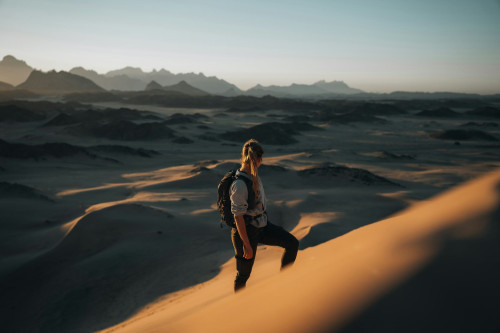
In literature, too, nature has been both setting and symbol. Writers like Henry David Thoreau and Willa Cather explored how the land shapes the human spirit, while modern voices continue to use nature as a lens for identity, belonging, and change. Whether it’s the desert’s silence or the ocean’s rhythm, the natural world remains a mirror for the American experience.
Food Culture and the Rhythm of the Seasons
The American table also bears the mark of the land. Regional cuisines grew from what the environment offered: seafood and cranberries in New England, corn and beans in the Midwest, citrus and seafood in the South, and wild salmon and berries in the Pacific Northwest. Indigenous food traditions, rooted in deep knowledge of local ecosystems, continue to influence modern cooking and remind us of the land’s generosity.
The growing movement toward farm-to-table dining and seasonal eating reflects a rediscovery of this connection. It’s not only about flavor—it’s about culture. It expresses respect for the land’s resources and an awareness that our well-being is tied to the health of the environment.
Nature as Identity and Story
Even in a nation where most people live in cities, nature remains central to identity. Americans often define themselves through landscapes: the rugged individualism of the frontier, the calm of the prairie, the mystery of the forest, or the resilience of the desert. These images live on in art, film, and everyday language, shaping how people see themselves and their place in the world.
When we seek out national parks, hiking trails, or quiet lakes, we are not only escaping daily life—we are reconnecting with something fundamental. The landscape becomes a reminder of endurance, renewal, and belonging.
A Living Connection
Nature and culture are not opposites but parts of the same story. The land shapes us, and we shape the land—through farming, cities, art, and language. This exchange continues, and as climate change and urbanization transform our surroundings, we are challenged to rethink how nature fits into our cultural identity.
To understand nature’s mark on culture is not just to look back—it is to look forward. It means asking how we can continue to live in balance with the landscapes that have given us our stories, our creativity, and our sense of home.
Læs også: