Hobbies That Teach Kids Patience and Spark Creativity

Hobbies That Teach Kids Patience and Spark Creativity
In a world where everything moves fast and instant gratification is the norm, hobbies can offer children a much-needed pause. When kids engage in activities that require time, focus, and repetition, they develop patience and discover the joy of creating something themselves. It’s not about perfection or performance—it’s about enjoying the process and realizing that creativity takes time.
Why Patience Matters
Patience isn’t something children are born with—it’s something they learn. When kids take part in hobbies where results don’t come right away, they experience what it means to wait, try again, and see progress over time. This helps them handle frustration and builds confidence when they finally succeed.
They also learn that mistakes aren’t failures but part of the learning process. That understanding can help them in school, friendships, and life in general.
Creative Hobbies That Encourage Focus
Creative activities are perfect for helping kids express themselves while practicing patience and concentration.
- Drawing and painting – Experimenting with colors, shapes, and techniques teaches kids to slow down and observe. It’s calming and gives them a sense of freedom.
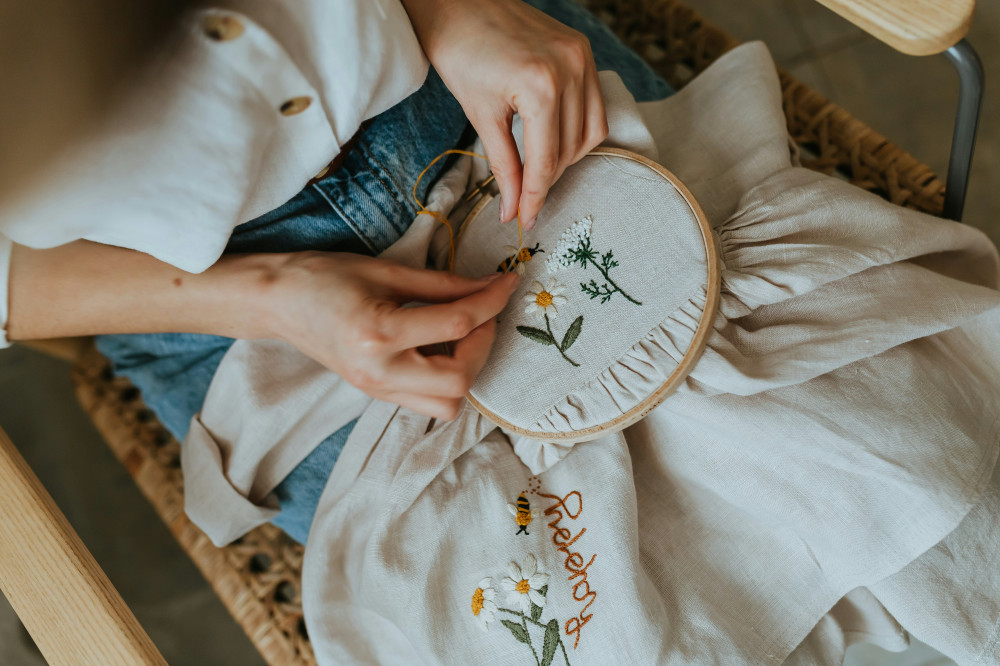
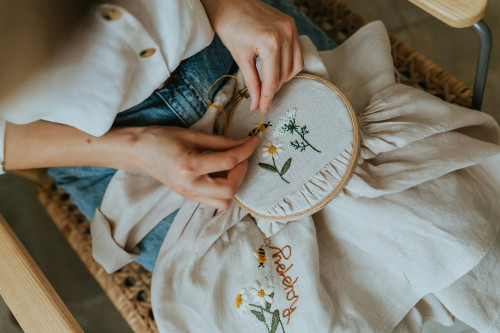
- Sewing, knitting, or crocheting – These crafts may seem old-fashioned, but many children find comfort in the repetitive motions and pride in making something useful.
- Model building and LEGO – Following step-by-step instructions requires planning and persistence. It’s a great way to strengthen problem-solving and fine motor skills.
- Pottery and clay work – Shaping something with their hands gives kids a sensory experience and a tangible reward for their effort.
These hobbies show children that creating something beautiful takes time—and that the time itself is part of the joy.
Læs også:


Nature and Animals as Patient Teachers
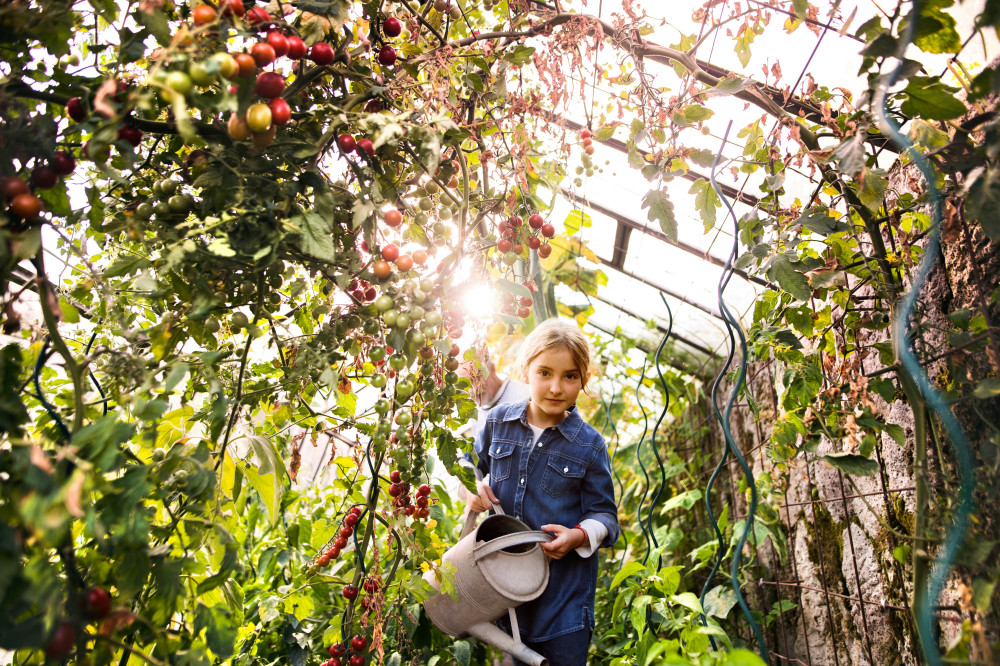
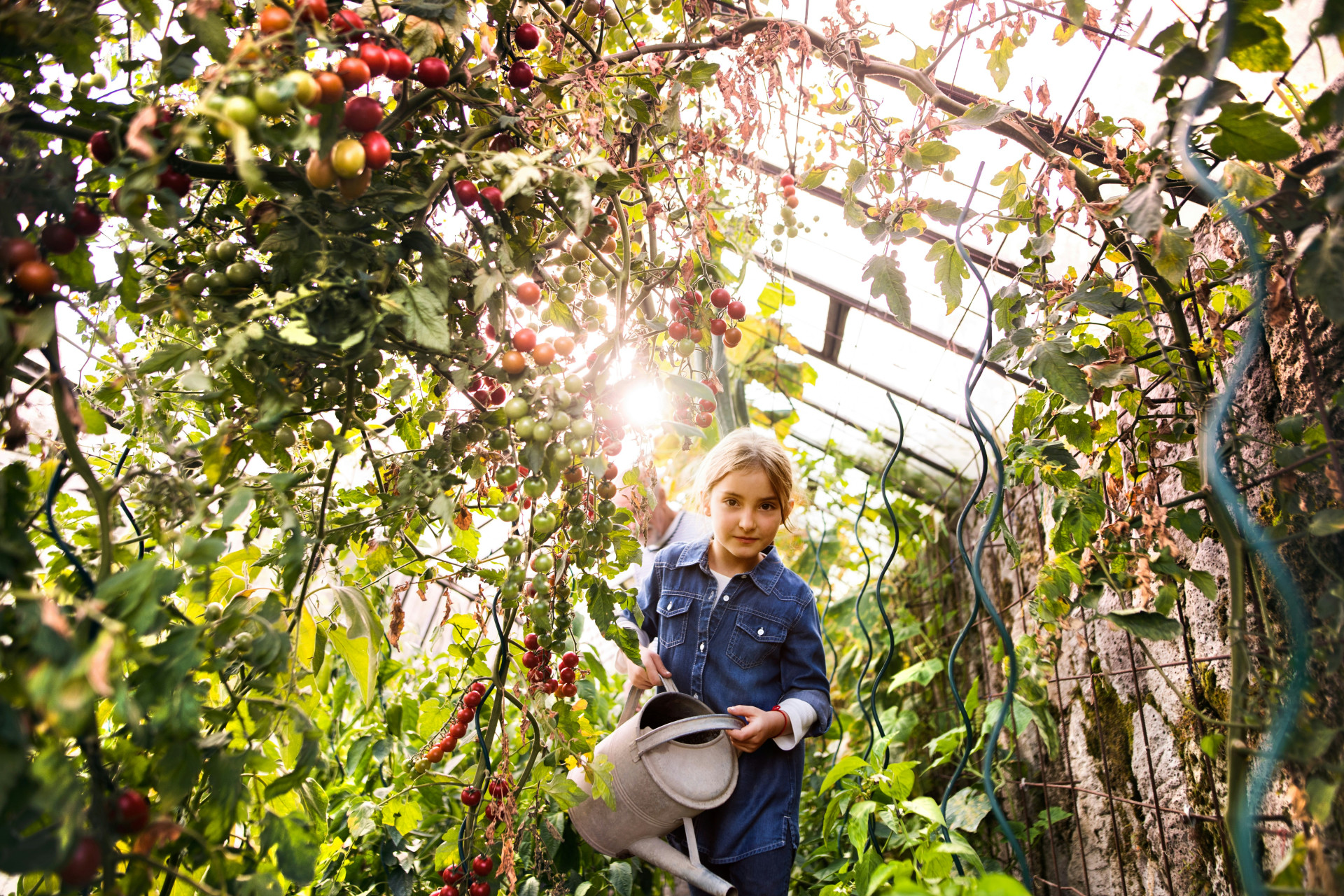
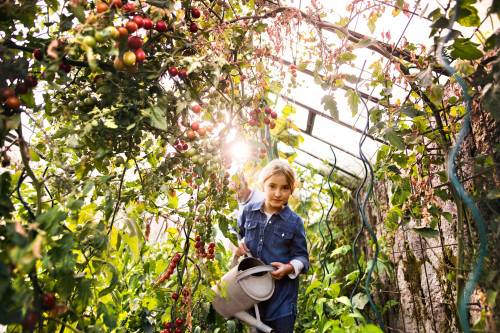
Nature is one of the best classrooms for learning patience. When kids garden, care for pets, or simply observe wildlife, they see that growth and change happen at their own pace. They learn to wait, watch, and take responsibility.
- Gardening – Planting seeds, watering, and watching them grow teaches kids about time, care, and consistency.
- Caring for pets or fish – Feeding and cleaning up after animals helps children understand responsibility and routine.
- Birdwatching or keeping a nature journal – Observing nature requires quiet attention and curiosity, rewarding kids with a deeper connection to the world around them.
These experiences help children understand that not everything can be rushed—and that waiting can be full of discovery.
Building and Crafting – When Hands Teach the Mind
Working with tools or building something from scratch gives kids a sense of accomplishment. Whether it’s constructing a birdhouse, assembling a small robot kit, or helping with a home project, they learn to plan, measure, and follow through. It’s hands-on learning that builds both patience and confidence.
When children see their effort turn into something real and lasting, they realize that persistence pays off—and that creating something with their own hands is deeply satisfying.
Music and Instruments – Small Steps, Big Rewards
Learning to play an instrument is one of the most powerful ways to develop patience. Progress is slow, but the rewards are huge. Kids learn to practice regularly, listen carefully, and repeat until they improve. Over time, they experience the thrill of mastering a song or playing with others.
Music also fuels creativity and emotional expression. When a child finally plays a tune they’ve worked on for weeks, the pride and joy are unmistakable.
How Parents Can Support the Process
Parents play a key role in helping hobbies become a positive part of their child’s life. The goal isn’t to push for results but to encourage curiosity and persistence.
- Set aside quiet time for hobbies—away from screens and distractions.
- Praise effort, not just outcomes.
- Help your child find an activity that fits their personality.
- Join in—shared hobbies can strengthen family bonds.
When children feel supported and see that their parents value the process, they’re more likely to stick with it—even when it’s challenging.
Patience as a Lifelong Gift
Hobbies are more than just ways to fill free time. They’re small learning spaces where kids develop qualities that last a lifetime—patience, perseverance, and the joy of creating something from nothing. These skills help them in school, relationships, and future careers.
Giving children the chance to immerse themselves in a hobby is a gift—not only for their creativity but for their growth as confident, capable individuals.
Læs også: